Categories
Europe Finland Lapland Snow Winter

Northern Lights – Finland

The Northern Lights or to give them their technical name, the “Aurora Borealis” are a natural light display, which are the result of disturbances in the magnetosphere caused by the solar wind. They occur when charged particles from the Sun interact with Earth’s atmosphere, creating glowing curtains of green, pink, purple, and occasionally red light across the night sky. The Northern Lights are so high up in the atmosphere that they don’t pose any threat to people watching them from the ground but they provide the most amazing sites.
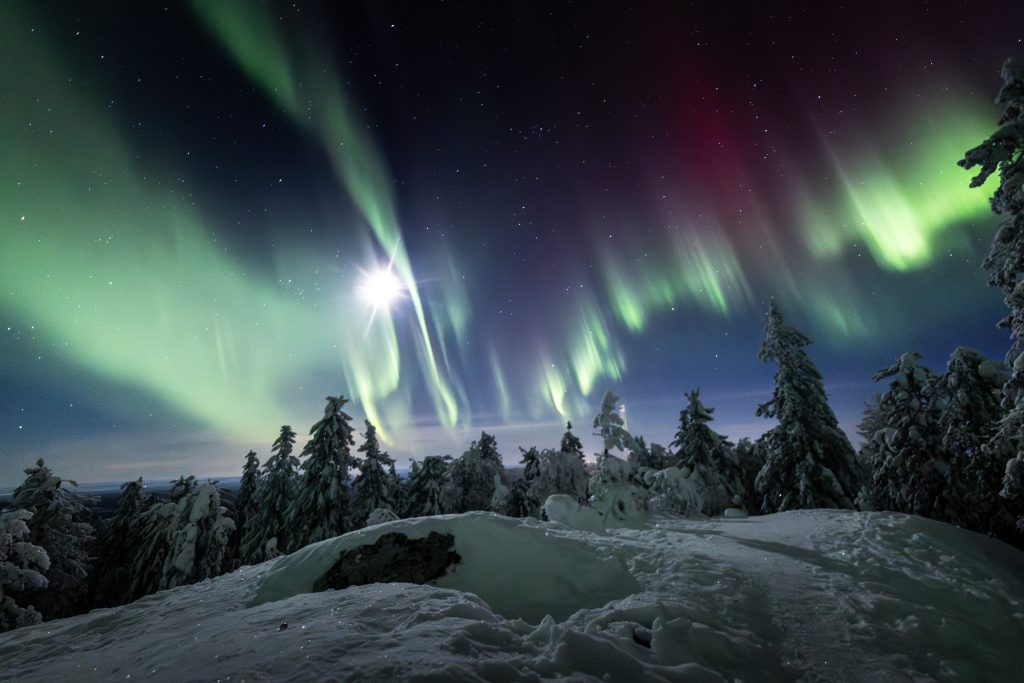
Northern Lights over Finland

One of the places to head this winter to see the Northern Lights is Finland. Not only can you see the lights but you can experience all that Lapland has to offer with moose, reindeer, husky and snowmobile safaris and that once in lifetime trip for that little ones that will make this time of year so special.
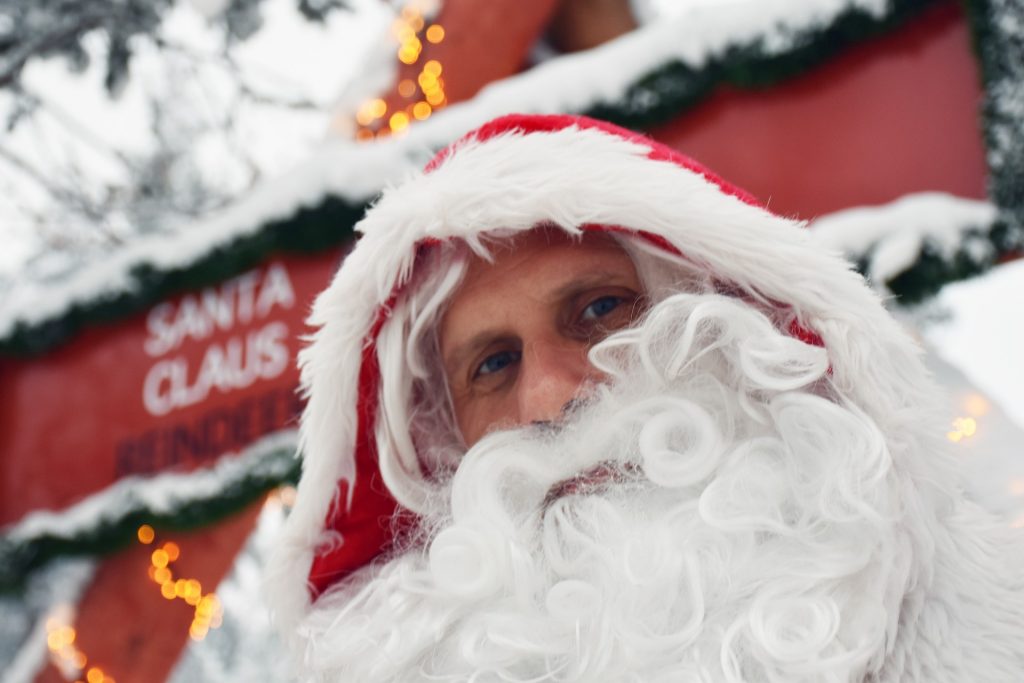
Santa Claus - Rovaniemi  - Xavier Turpain
Santa Claus – Rovaniemi

An ideal destination is Rovaniemi which is the official home of Santa Claus. Just 8km north on the Arctic Circle is Santa Claus Village where you can find Santa at home every day of the year.
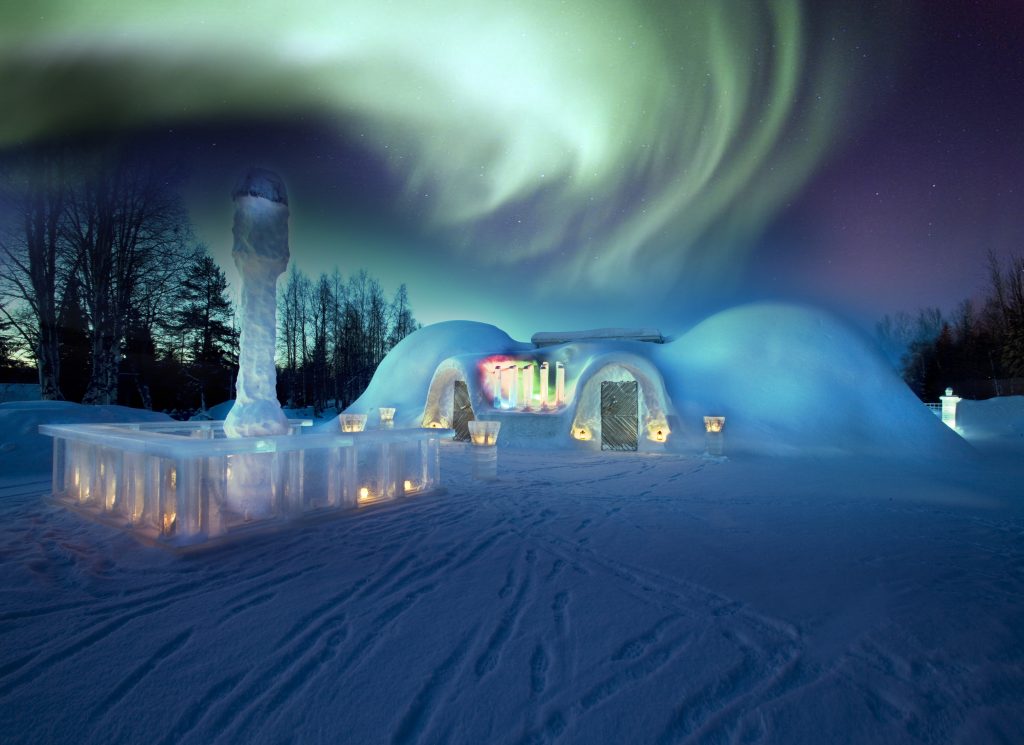
Snowland Rovaniemi

Rovaniemi is not the only Finnish destination to head to experience the Northern Lights, you might also consider Ivalo, Saariselkä, Levi, Yllä and Kilpisjärvi. These areas have dark skies and very little light pollution, which greatly improves viewing conditions.
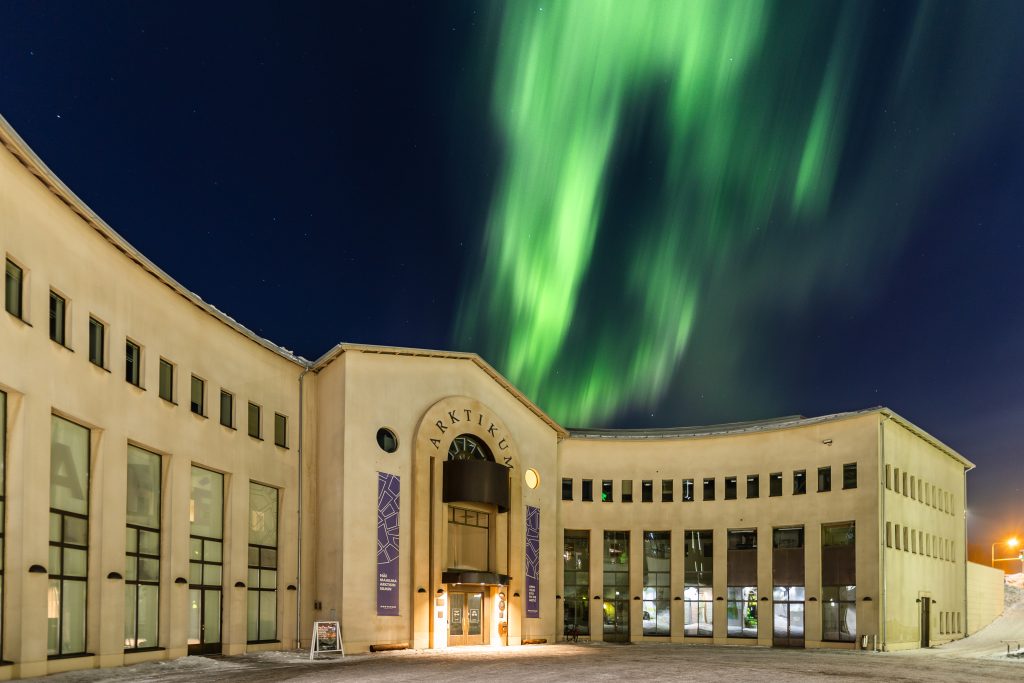
The Northern Lights Marko Junttila

An ideal destination is Rovaniemi which is the official home of Santa Claus. Just 8km north on the Arctic Circle is Santa Claus Village where you can find Santa at home every day of the year.

The aurora season in Finland generally runs from late August to early April, when the nights are dark enough to see the lights. However the most active periods are often September to October and February to March. Even then there is no guarantee that you will be able to see the lights so if you are going specifically for the lights, find a company with a “light guarantee”.

The lights are however generally visible for 200 nights of the year and the best times to see them are between 9pm and 2am. Its the weather that will be the main determinant of whether the lights are visible.
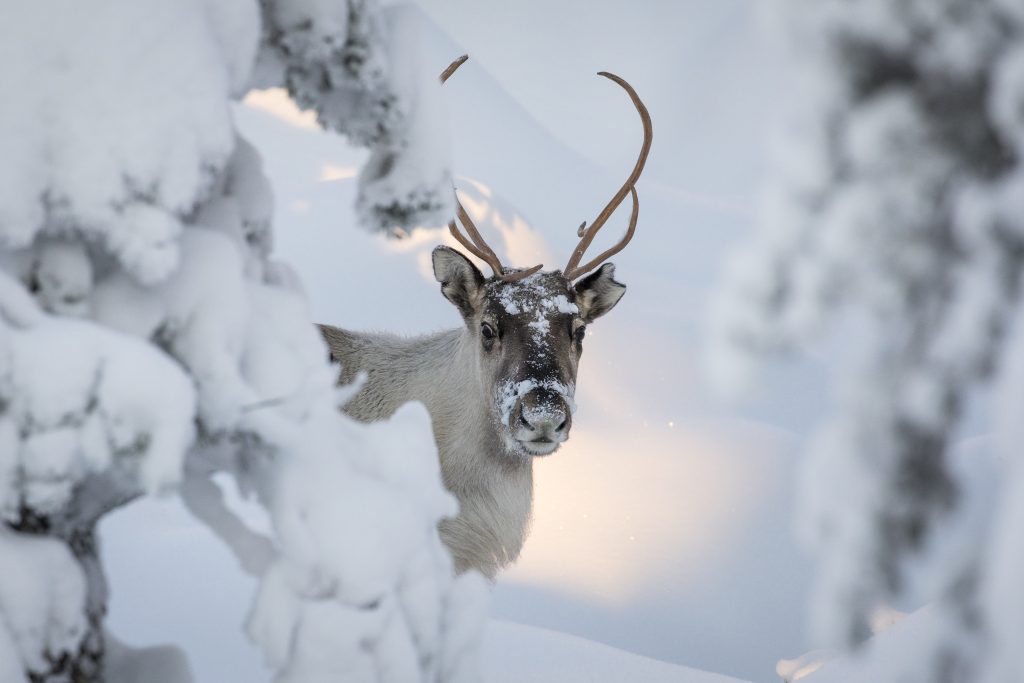
Winter Scene Marko Junttila

Our advice, mix your trip with other activities just in case. Ideas of other activities included Many travellers combine aurora hunting with: husky safaris, snowmobile excursions, reindeer sleigh ride.
Categories
Activity Bratislava City Europe Heritage Slovakia Uncategorized Vienna

Bratislava, Slovakia

Slovakia is sometimes forgotten as a tourist destination.  For nearly 1000 years it did not have much control over its own destiny.  Even during the period of the First Slovak Republic 1939 – 1945 it was a client state of Nazi Germany.  Around the year 1000 it became part of the Kingdom of Hungary and today over 9% of the population state their mother tongue is Hungarian.

Bratislava, the capital city of Slovakia, stands on the banks of the Danube and as such borders both Hungary and Vienna.  Bratislava markets itself as a 72 hour city as that’s the average length of time tourists spend in the city.  In those 72 hours there are plenty to keep you occupied.

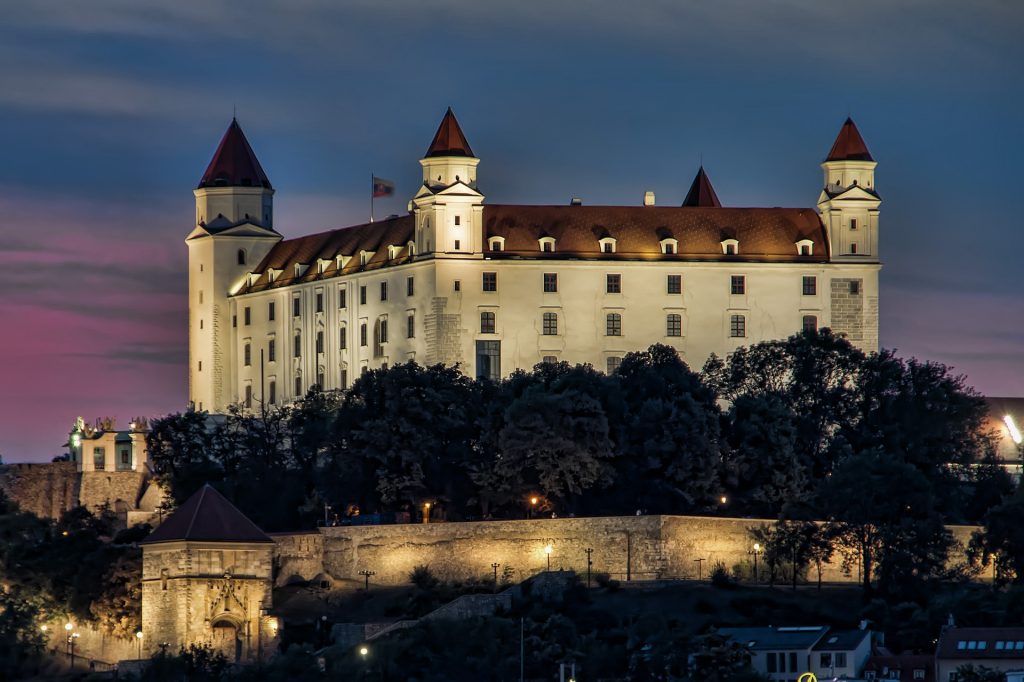
Bratislava Castle, Slovakia - Peter Tóth
Bratislava Castle, Slovakia

Due to its geographical position and history a good starting point is Bratislava castle. Not only does it house the Museum of History but affords tremendous views across the city.  Down in the town, the Michael’s Gate which is the only preserved gate of the city fortification system dates back to the 14th century gives you a great view back across the Old Town and the castle.  The tower at the gate houses the Museum of Arms.

Bratislava houses the largest war memorial in Central Europe. It rises over 50 metres and dominates the city skyline.  It is the burial ground of 6845 soldiers of the Soviet army who died during the liberation of Bratislava in World War II.

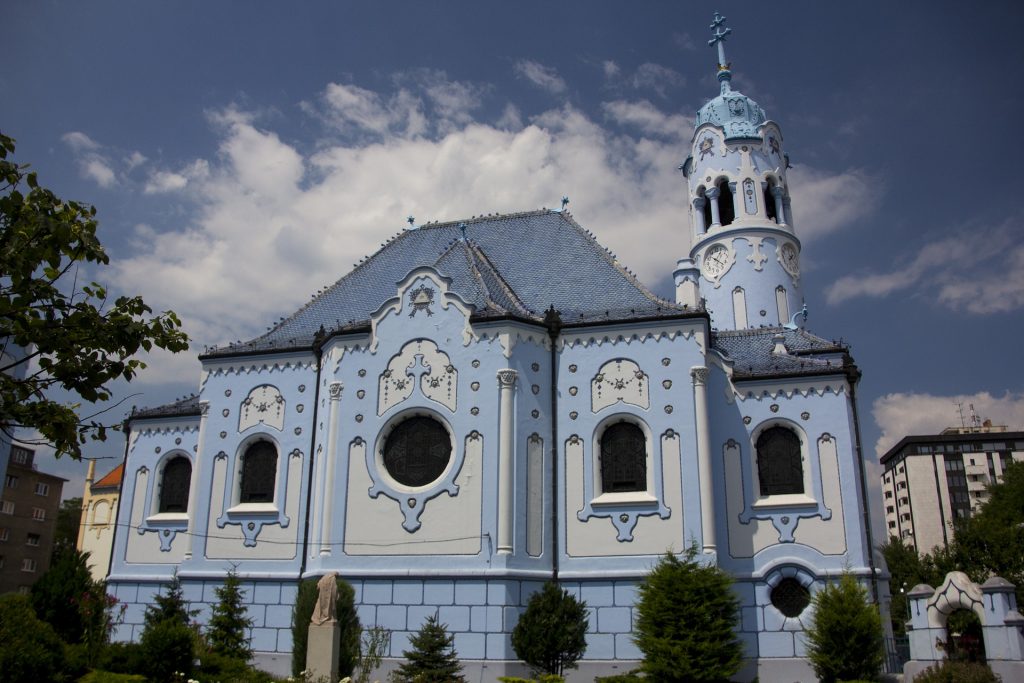
 St Elizabeth’s Church  (The Blue Church) - Hans Hansen
St Elizabeth’s Church (The Blue Church)

On a religious note, don’t miss out on a visit the 15th Century St Marin’s Cathedral, the Art Nouveau style St Elizabeth’s Church, also known as the blue church and cubist style synagogue built between 1923 and 1926.

You will be spoilt for choice with a wide range of restaurants, cafes and bars and for those of you with a sweet tooth, patisseries something they do so well in Central Europe. Whilst in the city look out for the amazing sculptures.

Čumil Statue Sculpture, Bratislava - Sebastian Mies
Čumil Statue, Bratislava

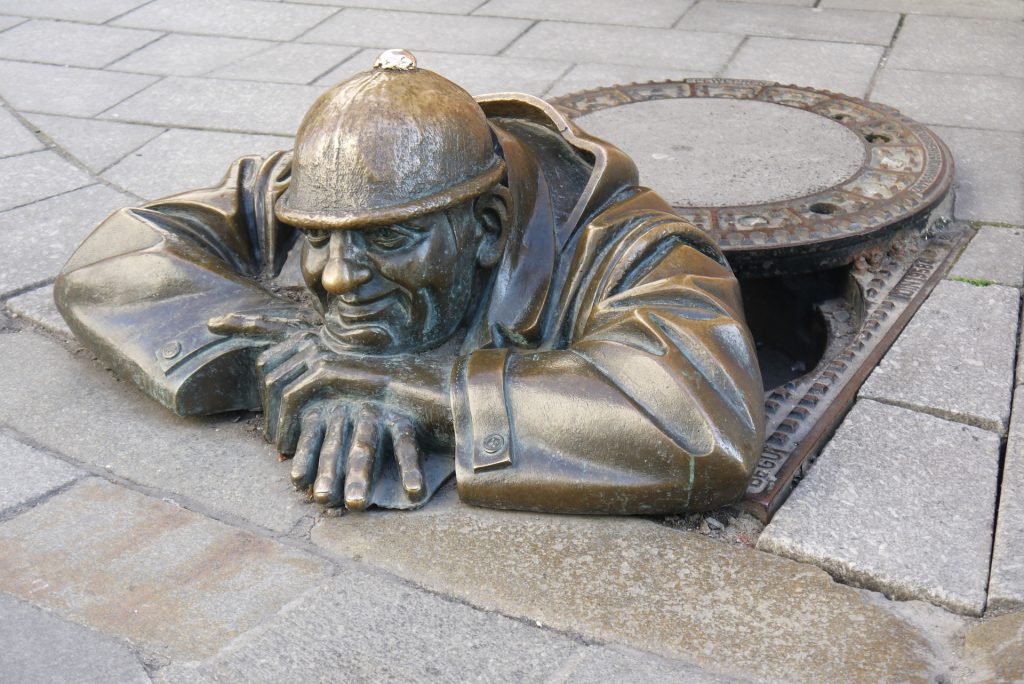
The Čumil Statue can be found in the old town area, Čumil means watcher and was created the the sculptor Victor Hulik. Many tourists rub his head in the hope of gaining good luck.

Bratislava can easily be reached from Vienna by train, the journey time as little as 46 minutes. Making a Vienna / Bratislava a very doable combined visit.