Categories
Europe Finland Lapland Snow Winter

Northern Lights – Finland

The Northern Lights or to give them their technical name, the “Aurora Borealis” are a natural light display, which are the result of disturbances in the magnetosphere caused by the solar wind. They occur when charged particles from the Sun interact with Earth’s atmosphere, creating glowing curtains of green, pink, purple, and occasionally red light across the night sky. The Northern Lights are so high up in the atmosphere that they don’t pose any threat to people watching them from the ground but they provide the most amazing sites.
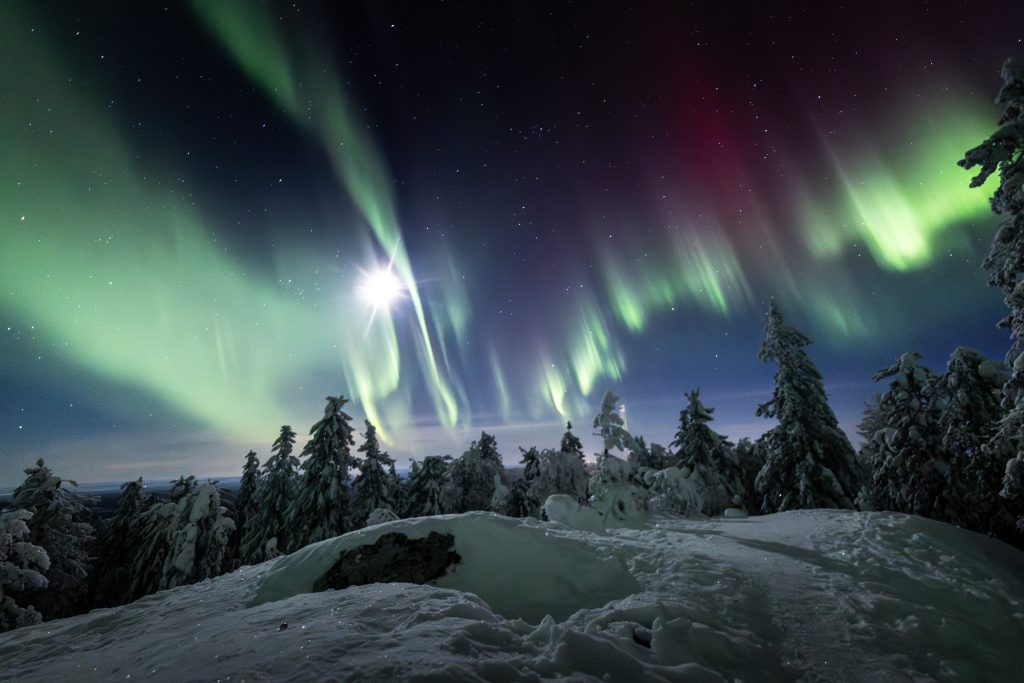
Northern Lights over Finland

One of the places to head this winter to see the Northern Lights is Finland. Not only can you see the lights but you can experience all that Lapland has to offer with moose, reindeer, husky and snowmobile safaris and that once in lifetime trip for that little ones that will make this time of year so special.

Santa Claus - Rovaniemi  - Xavier Turpain
Santa Claus – Rovaniemi

An ideal destination is Rovaniemi which is the official home of Santa Claus. Just 8km north on the Arctic Circle is Santa Claus Village where you can find Santa at home every day of the year.
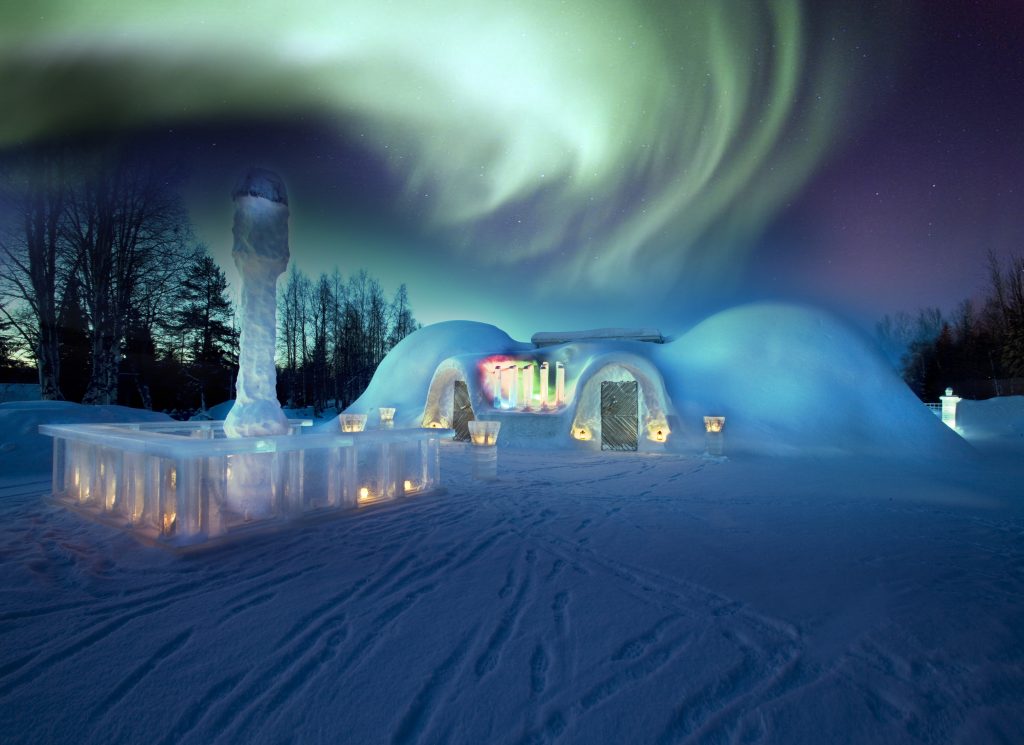
Snowland Rovaniemi

Rovaniemi is not the only Finnish destination to head to experience the Northern Lights, you might also consider Ivalo, Saariselkä, Levi, Yllä and Kilpisjärvi. These areas have dark skies and very little light pollution, which greatly improves viewing conditions.
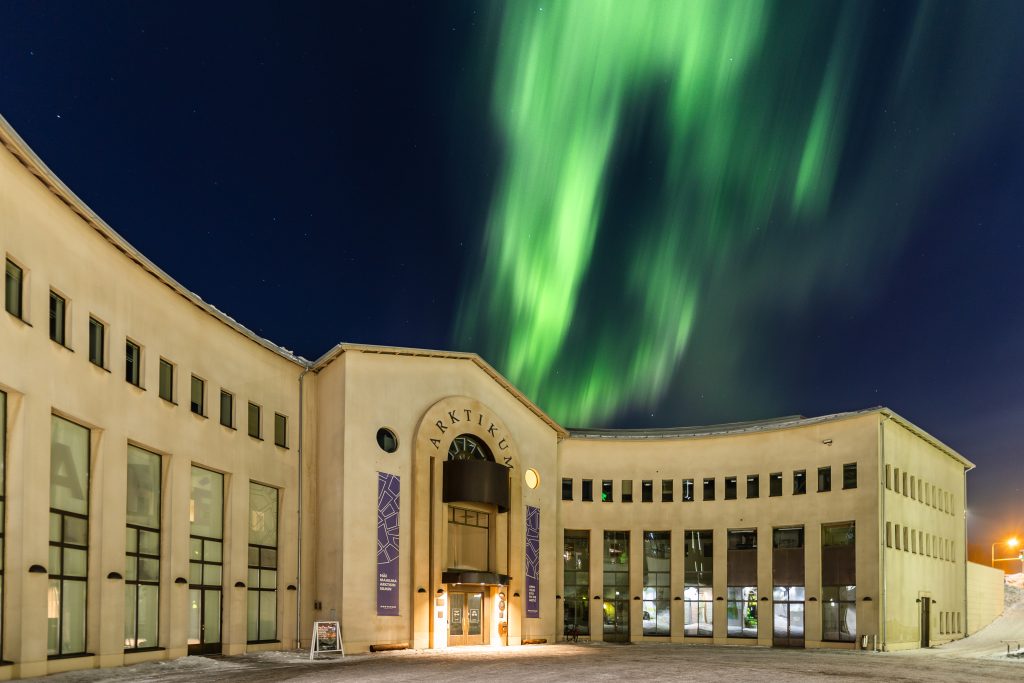
The Northern Lights Marko Junttila

An ideal destination is Rovaniemi which is the official home of Santa Claus. Just 8km north on the Arctic Circle is Santa Claus Village where you can find Santa at home every day of the year.

The aurora season in Finland generally runs from late August to early April, when the nights are dark enough to see the lights. However the most active periods are often September to October and February to March. Even then there is no guarantee that you will be able to see the lights so if you are going specifically for the lights, find a company with a “light guarantee”.

The lights are however generally visible for 200 nights of the year and the best times to see them are between 9pm and 2am. Its the weather that will be the main determinant of whether the lights are visible.

Winter Scene Marko Junttila

Our advice, mix your trip with other activities just in case. Ideas of other activities included Many travellers combine aurora hunting with: husky safaris, snowmobile excursions, reindeer sleigh ride.
Categories
Activity Bratislava City Europe Heritage Slovakia Uncategorized Vienna

Bratislava, Slovakia

Slovakia is sometimes forgotten as a tourist destination.  For nearly 1000 years it did not have much control over its own destiny.  Even during the period of the First Slovak Republic 1939 – 1945 it was a client state of Nazi Germany.  Around the year 1000 it became part of the Kingdom of Hungary and today over 9% of the population state their mother tongue is Hungarian.

Bratislava, the capital city of Slovakia, stands on the banks of the Danube and as such borders both Hungary and Vienna.  Bratislava markets itself as a 72 hour city as that’s the average length of time tourists spend in the city.  In those 72 hours there are plenty to keep you occupied.

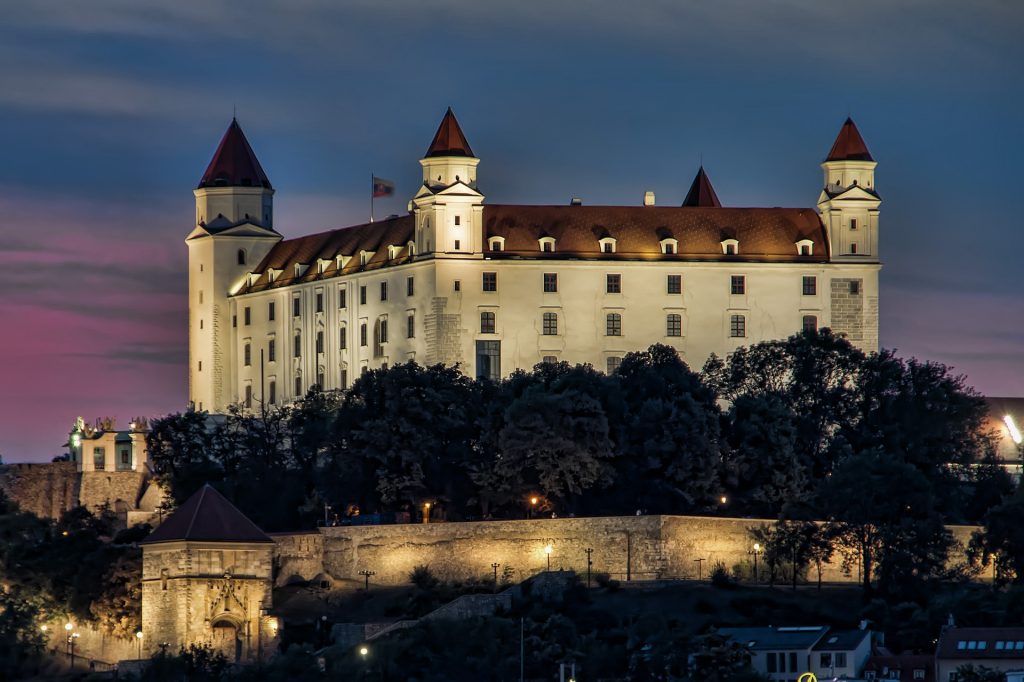
Bratislava Castle, Slovakia - Peter Tóth
Bratislava Castle, Slovakia

Due to its geographical position and history a good starting point is Bratislava castle. Not only does it house the Museum of History but affords tremendous views across the city.  Down in the town, the Michael’s Gate which is the only preserved gate of the city fortification system dates back to the 14th century gives you a great view back across the Old Town and the castle.  The tower at the gate houses the Museum of Arms.

Bratislava houses the largest war memorial in Central Europe. It rises over 50 metres and dominates the city skyline.  It is the burial ground of 6845 soldiers of the Soviet army who died during the liberation of Bratislava in World War II.

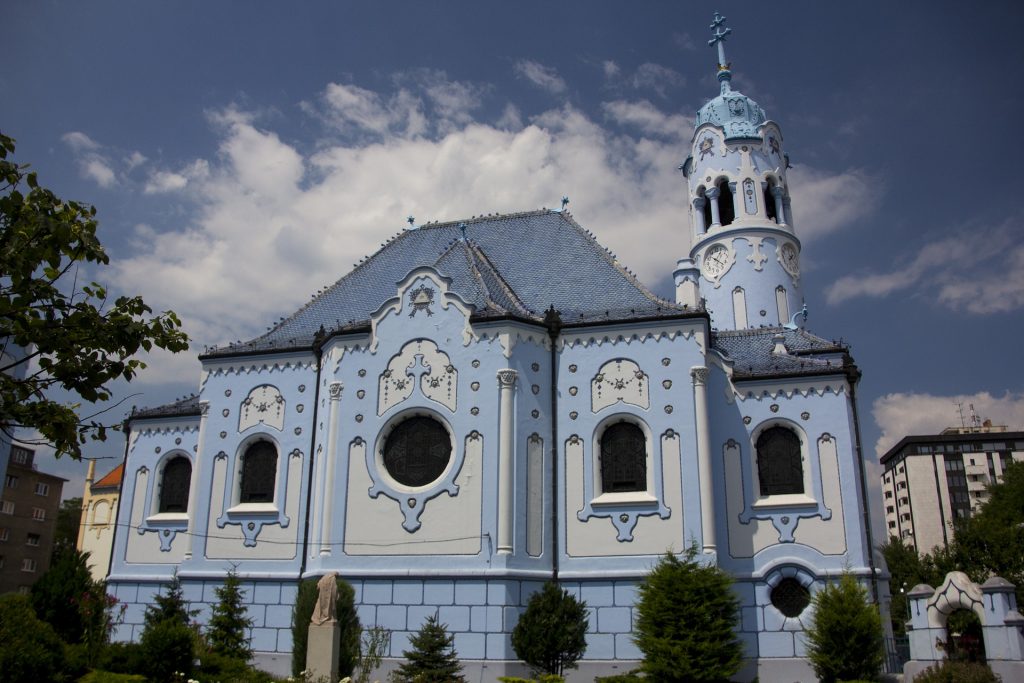
 St Elizabeth’s Church  (The Blue Church) - Hans Hansen
St Elizabeth’s Church (The Blue Church)

On a religious note, don’t miss out on a visit the 15th Century St Marin’s Cathedral, the Art Nouveau style St Elizabeth’s Church, also known as the blue church and cubist style synagogue built between 1923 and 1926.

You will be spoilt for choice with a wide range of restaurants, cafes and bars and for those of you with a sweet tooth, patisseries something they do so well in Central Europe. Whilst in the city look out for the amazing sculptures.

Čumil Statue Sculpture, Bratislava - Sebastian Mies
Čumil Statue, Bratislava

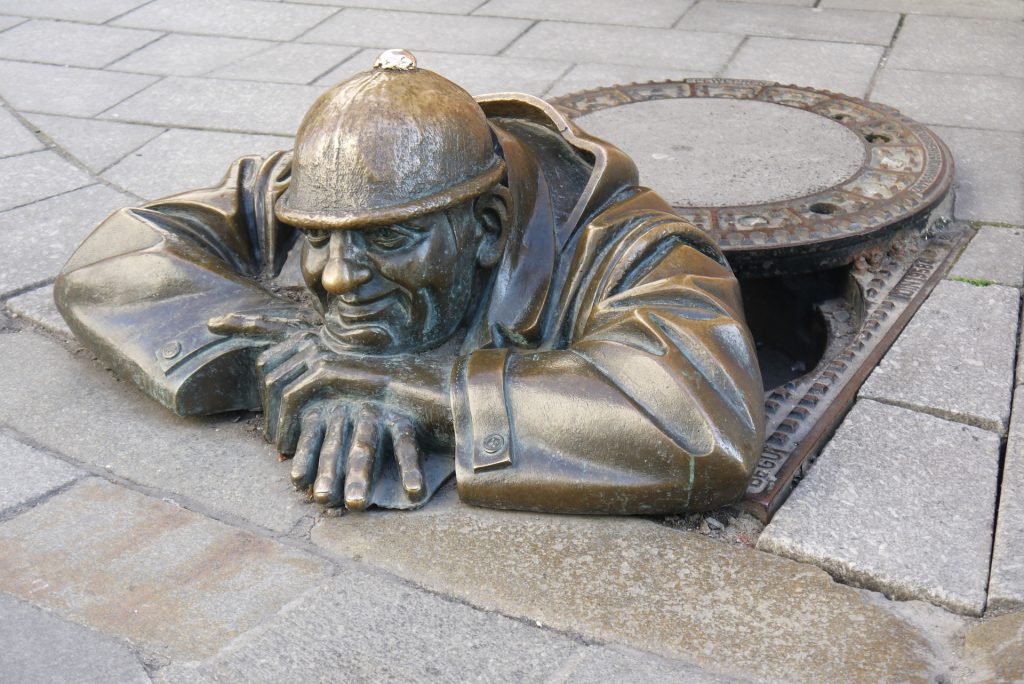
The Čumil Statue can be found in the old town area, Čumil means watcher and was created the the sculptor Victor Hulik. Many tourists rub his head in the hope of gaining good luck.

Bratislava can easily be reached from Vienna by train, the journey time as little as 46 minutes. Making a Vienna / Bratislava a very doable combined visit.

Categories
Madrid

Madrid

If food be the reason to travel then book now. It’s a bit of a twist on Shakespeare’s famous words from Twelfth Night, but one of the reasons many of us travel is to the variety of food to try in the world. Sometimes the dish can be something that we have never experienced before but on other occasions it can be just an added dash of something that completely transforms the meal. Other times it might be the setting or ambience of the restaurant.

Empanadas
Empanadas

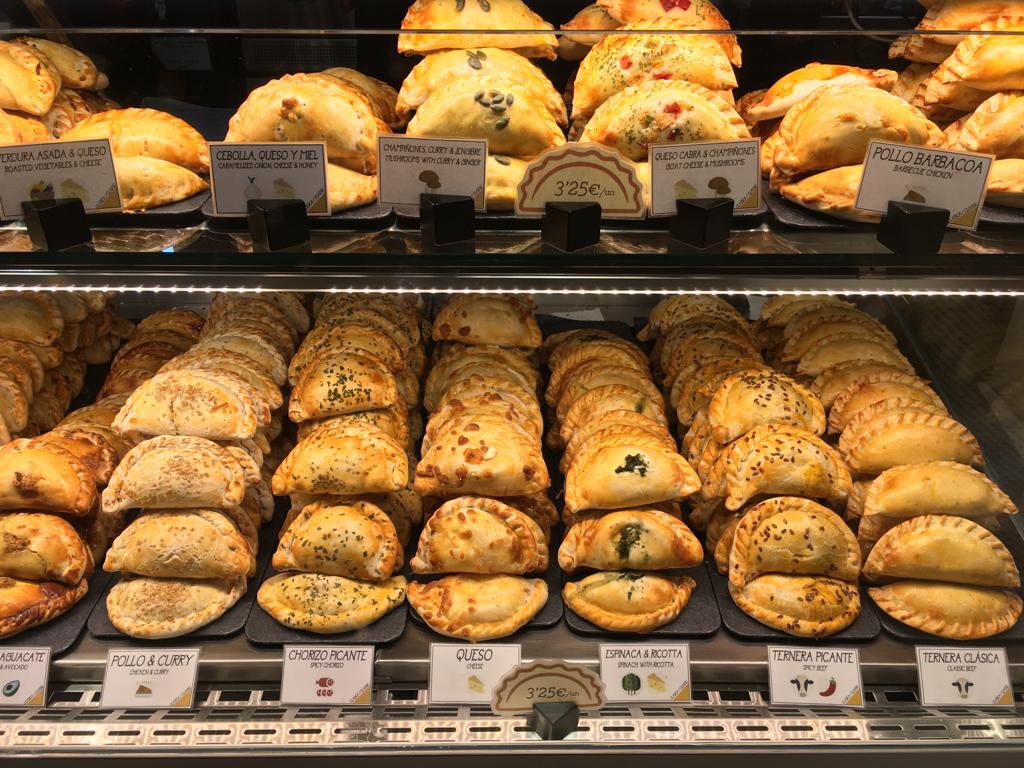
Food offers a unique insight to the history and culture of a region or country.  The empanadas pictured above were first documented in Galicia in North West Spain 100 years before Twelfth Night was written, but today they are a part of everyday cuisine in places as far apart as Argentina, the Philippines and the Cape Verde Islands.  They are even creeping into you local supermarket.

The empanadas pictured above were photographed at the San Miguel food market in Madrid. We were fortunate enough to visit Madrid recently and gave stopped by once again on our visit.

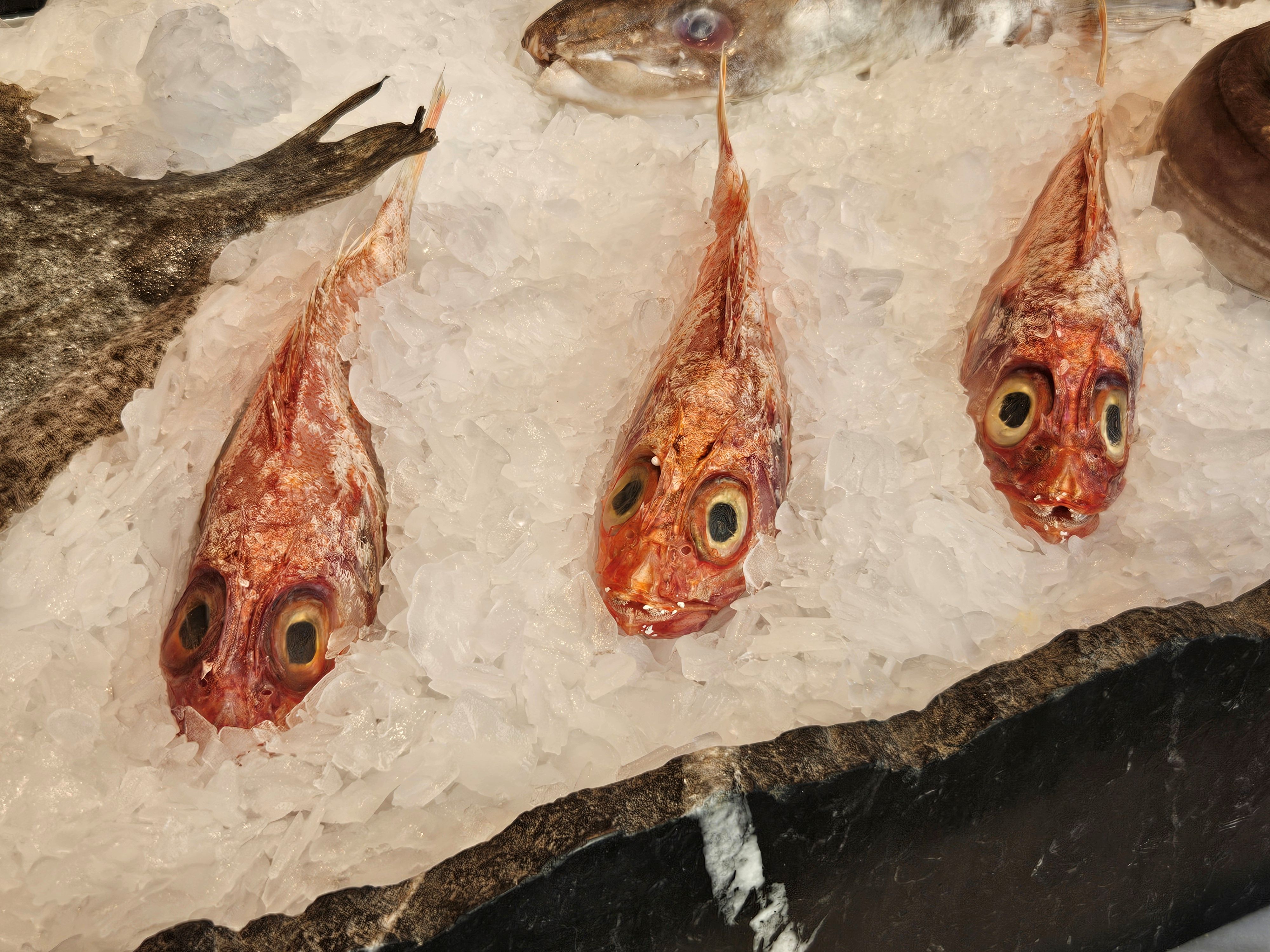
These fellows were keeping an eye out for us.

The market has been here for over a hundred years and approximately 7 million visitors pass through its doors. In this historical building you can experience a wide variety of Spanish specialities, from fresh seafood (as above) and Iberian ham to delicious tapas, cheeses, desserts, and drinks from over 20 different vendors. Expect it to be busy, but be patient a table will always present itself.

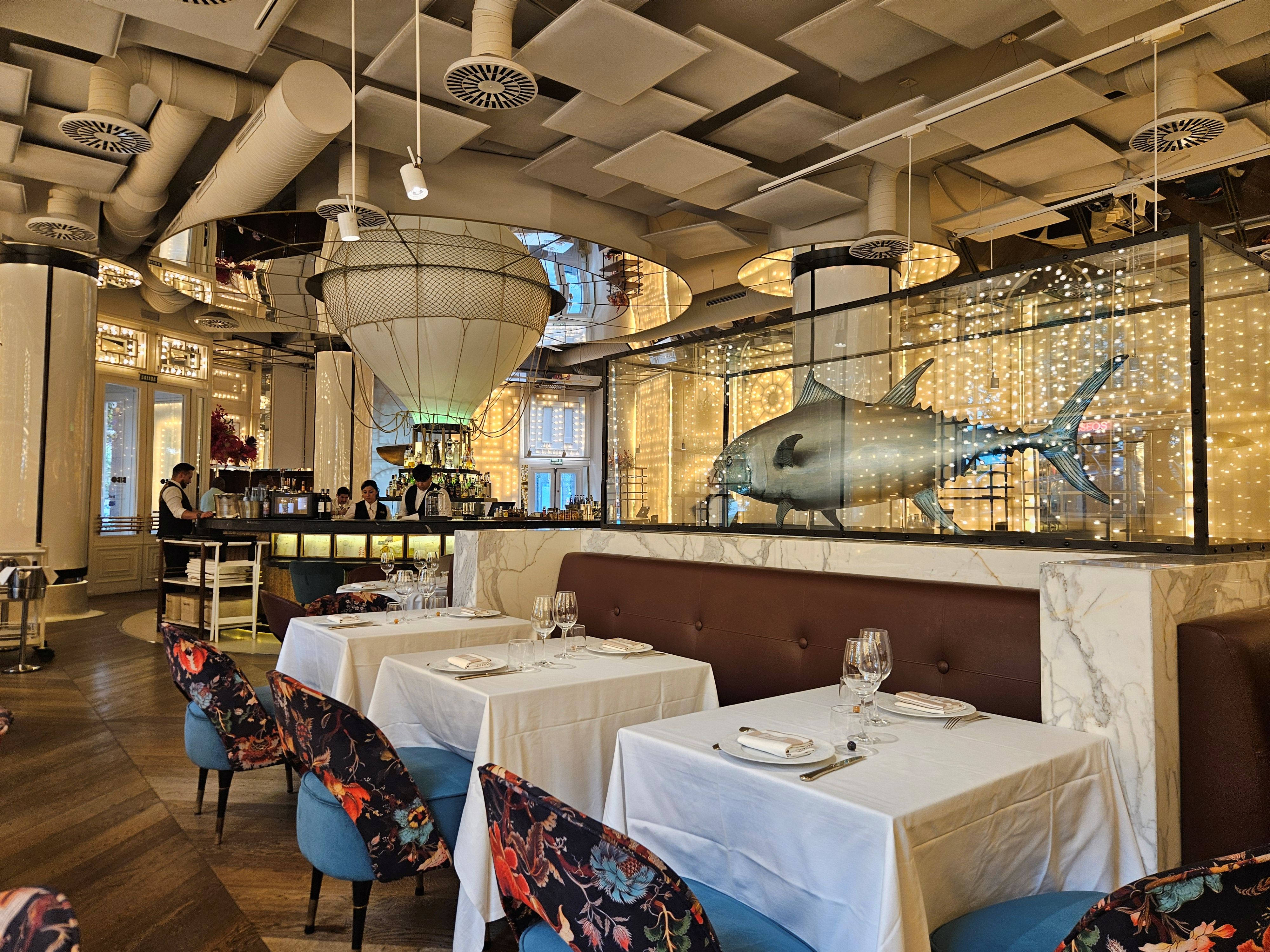
Interior of BiBo Dani Garcia – the lights are a nod to the lights of the Marbella fair.

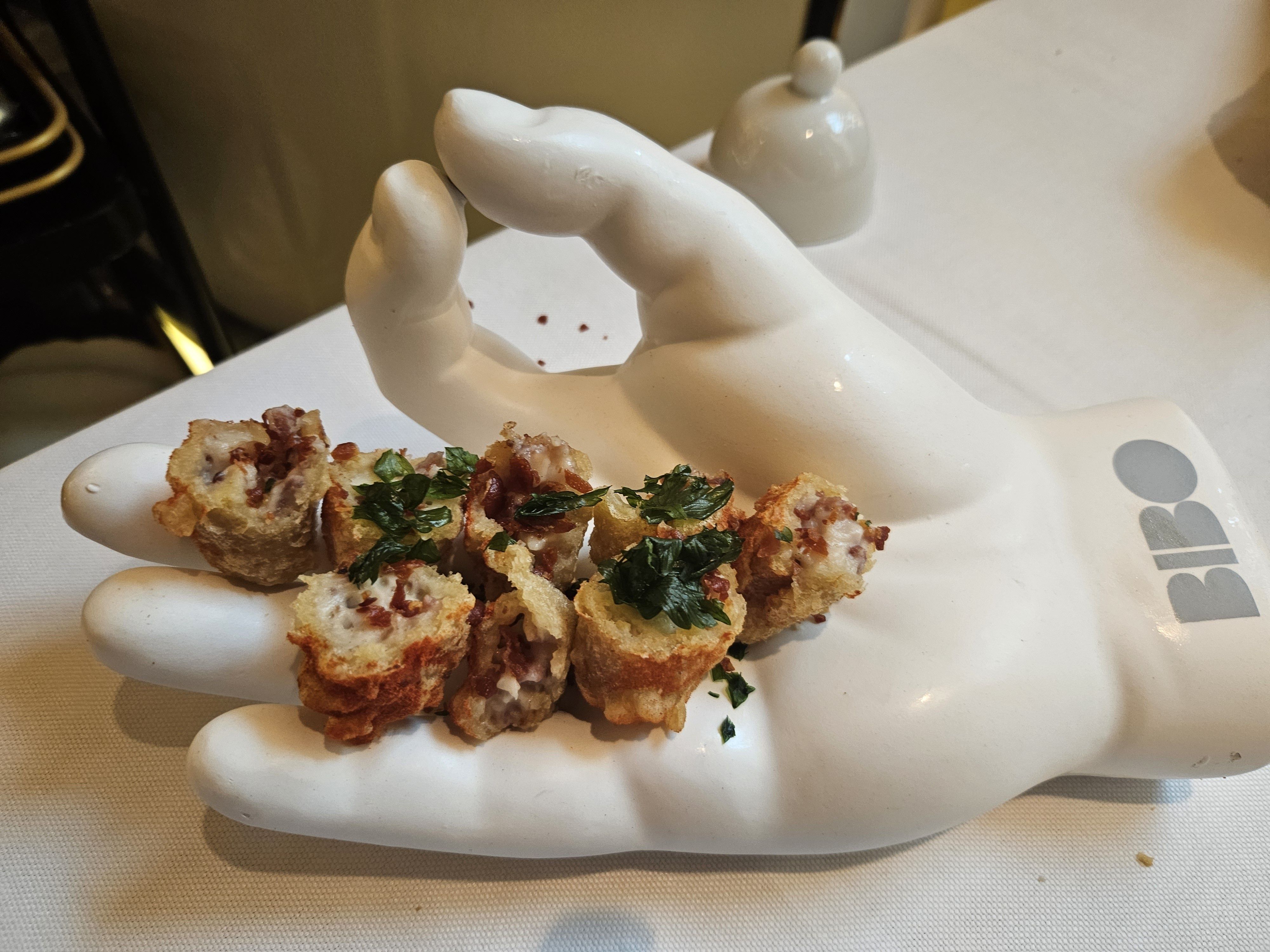
Dani Garcia is an internationally renowned Spanish chef from Marbella, Spain, known for combining traditional Andalusian ingredients and flavours with modern cooking techniques. After earning three Michelin stars for his restaurant in Marbella, García chose to focus on bringing Spanish cuisine to a wider audience. One of his ventures is the BiBo Dani Garcia brand which has more of a fusion feel to it.

CROQUETAS DE JAMÓN (Creamy Ham Croquettes)

The main purpose of our visit was to revisit the Museo Nacional Del Prado. This is one of Madrid’s most popular attractions. It was opened in 1819 and houses an impressive collection of paintings by such artists such as Velazquez, Goya, El Greco, Rubens and Bosch. Unfortunately photos are not permitted but visit the museum website here for a flavour of what to expect.

In the meantime enjoy this piece from outside the museum.

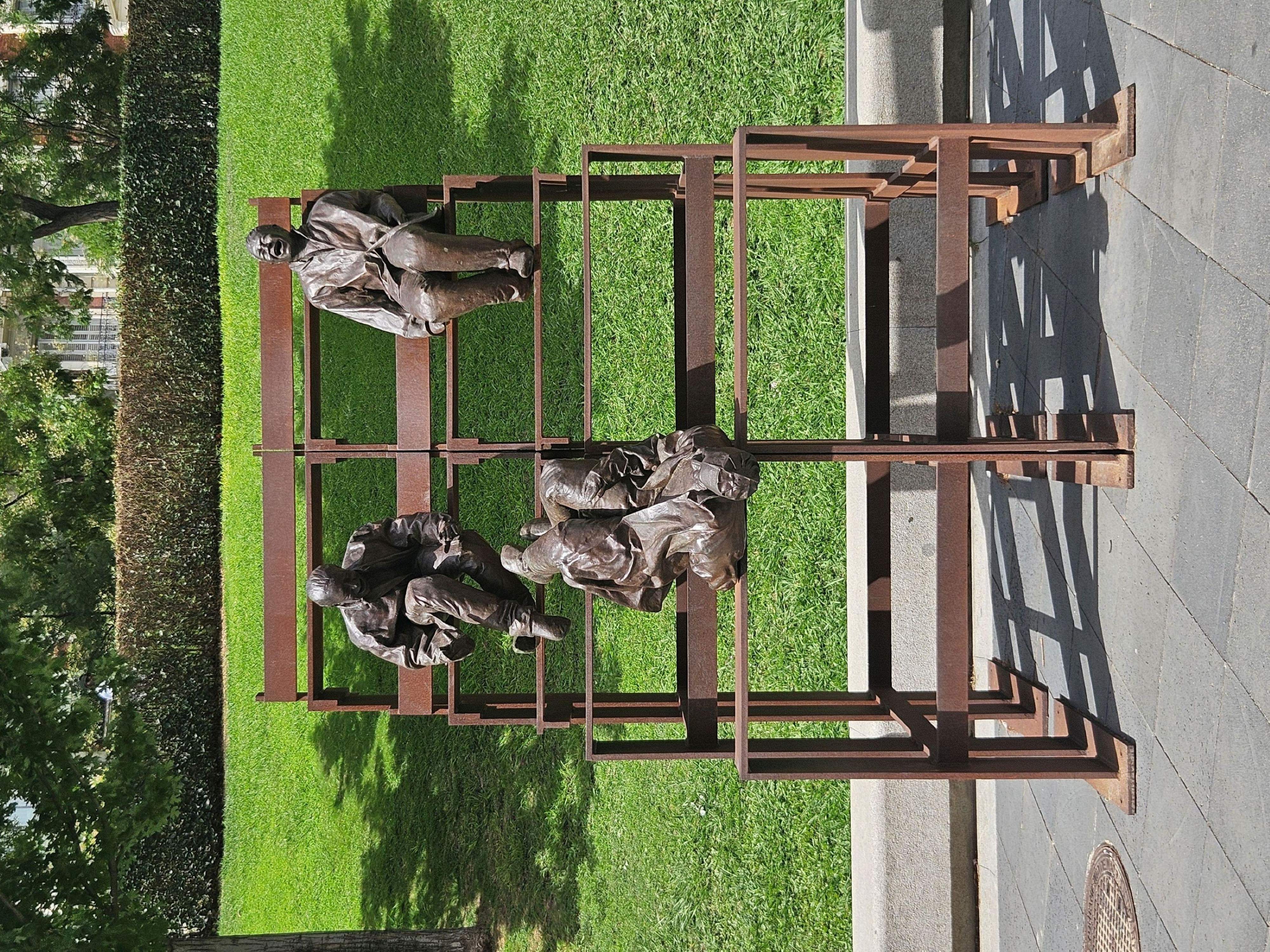
Part of the Thirteen Laughing at Each Other sculpture installation by Juan Muñoz.

This installation started life in 2001 and was installed in Porto, Portugal, over the years they have been previously to Madrid and to Chicago. They were designed by the sculptor Juan Muñoz to make people feel both welcome and uneasy as they walk past the statutes. The installation will remain at the Prado to 2028.

Whilst you are in the area, don’t forget to visit the Museo Reina Sofia where you will find an excellent exhibition of contemporary art including Picasso’s Guernica, one of the outstanding anti-war paintings of all time. At 3.5m high x 7.8 metres long, the sheer scale of it will impress you. Rather than depict a single battle scene, he expresses the horror of war and the impact on ordinary people using abstract and Cubist forms. At the time of writing there is an exhibition entitled “Rethinking Guernica”. An online version can be found here.

Categories
City Heritage Poland Railway Warsaw

Warsaw, Poland II

In 1945 85% of Warsaw had been destroyed but walking around the old town today you would have no idea. It has been reconstructed with alleys, houses and churches so faithfully that the area has earned UNESCO World Heritage Status. The plan was to recreate the city’s late 18th century appearance, you can judge for yourself how successful they have been. Old drawings, plans and even paintings by the famous Italian landscape artist Bernardo Bellotto were used to aid the reconstruction. You can find more details on the UNESCO site. The majority of the work was completed by the mid 1960s but the final piece was finished in 1984 with the opening of the Royal Palace.

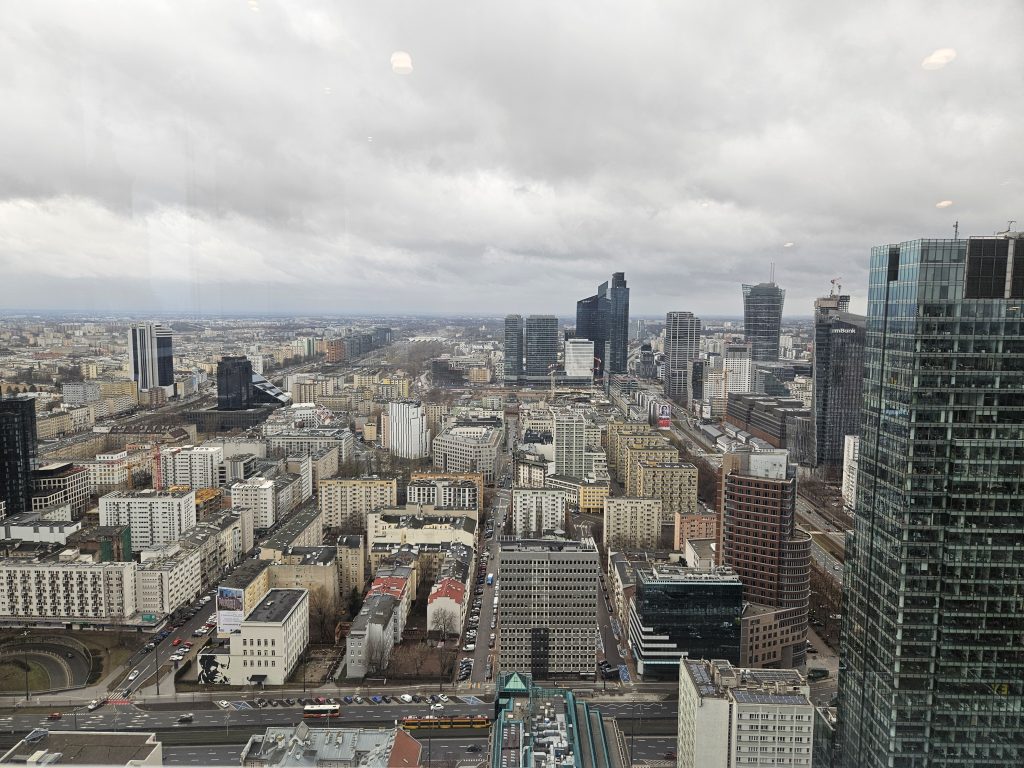
It is clear the extent of the devastation from this view of the city.

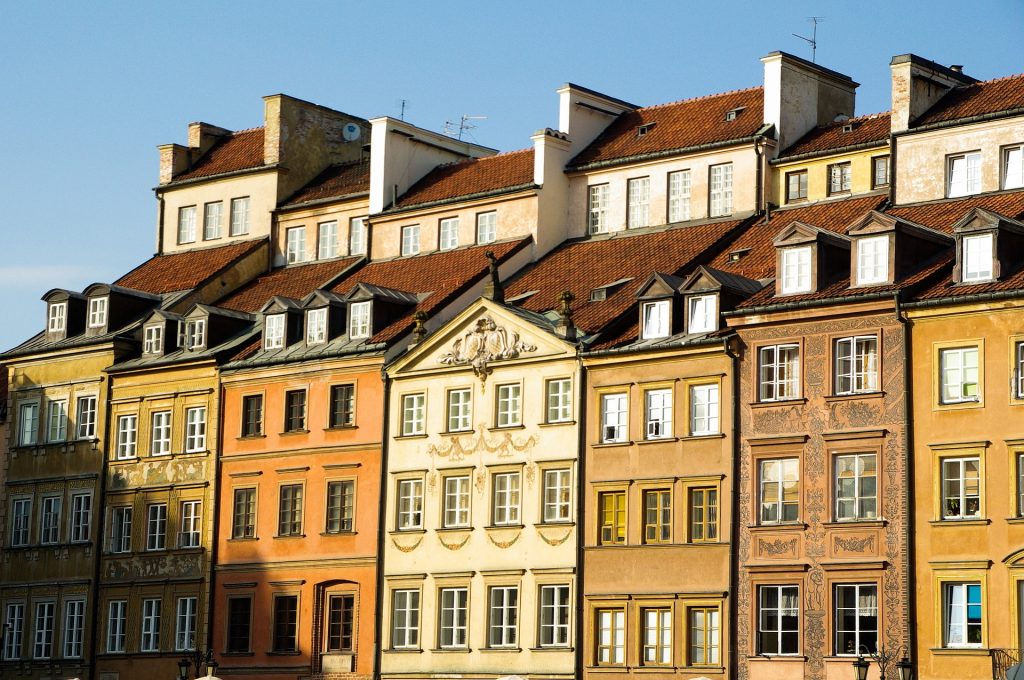
The most historic part of the Old Town is the old market square. Here you can dine out and watch the world go by surrounded by magificent Renaissance and Baroque buildings where in years gone by the town’s merchants would have lived. Whilst visiting the Old Town do not miss out on a visit to the Royal Palace which is now a museum and the Castle Square where Bill Clinton welcomed Poland to NATO in 1997.

Warsaw Old Town Copyright Jacqueline Maco
Warsaw Old Town

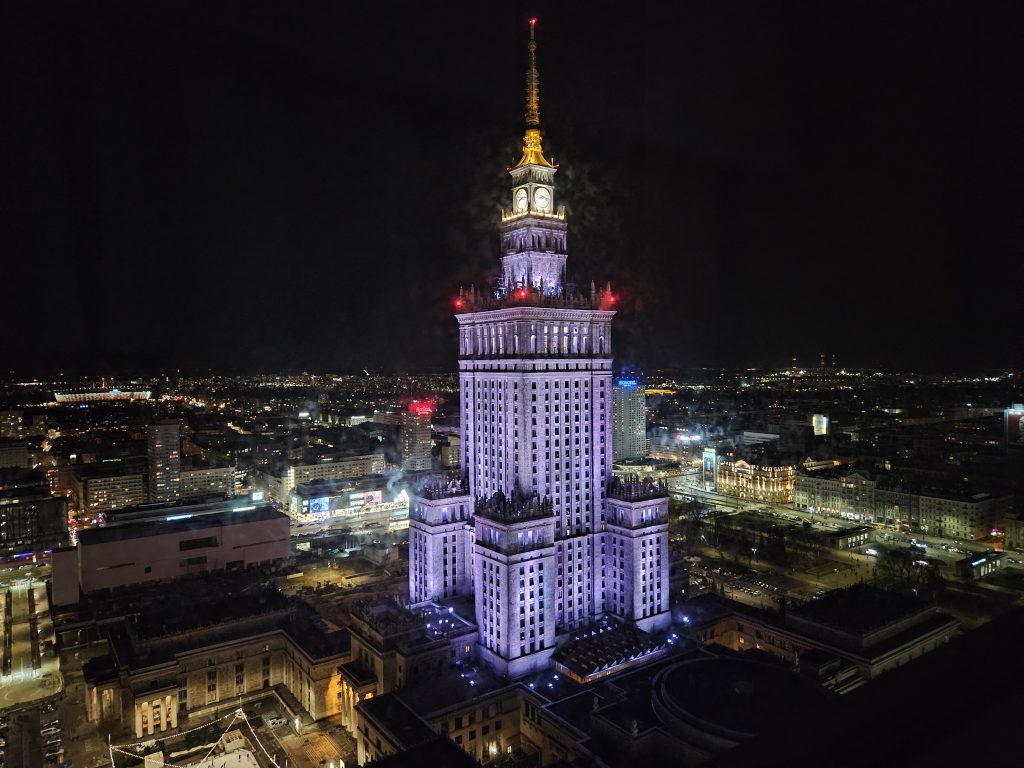
If you have a fascination for architecture from the Communist era then you must not miss the 237 meter tall Palace of Culture and Science. The building was a gift from the Soviet Union to the people of Poland in 1955 and today houses four theatres, two museums and a multi-plex cinema amongst its offerings. Take a trip up to the 30th floor observation tower for a great view of the city.

The Palace of Culture and Science.

Other notable stopping points on your visit to Warsaw might include the Warsaw Uprising Museum where you can discover the story of the August to October 1944 uprising that led to much of the destruction of the city by the Germans, with many before and after images. A relatively recent addition to the museums in the city is the Museum of the History of Polish Jews (POLIN) that was fully opened in 2014 and documents the lives of Jews over the thousand years during which Poland became home to the largest Jewish community in Europe.

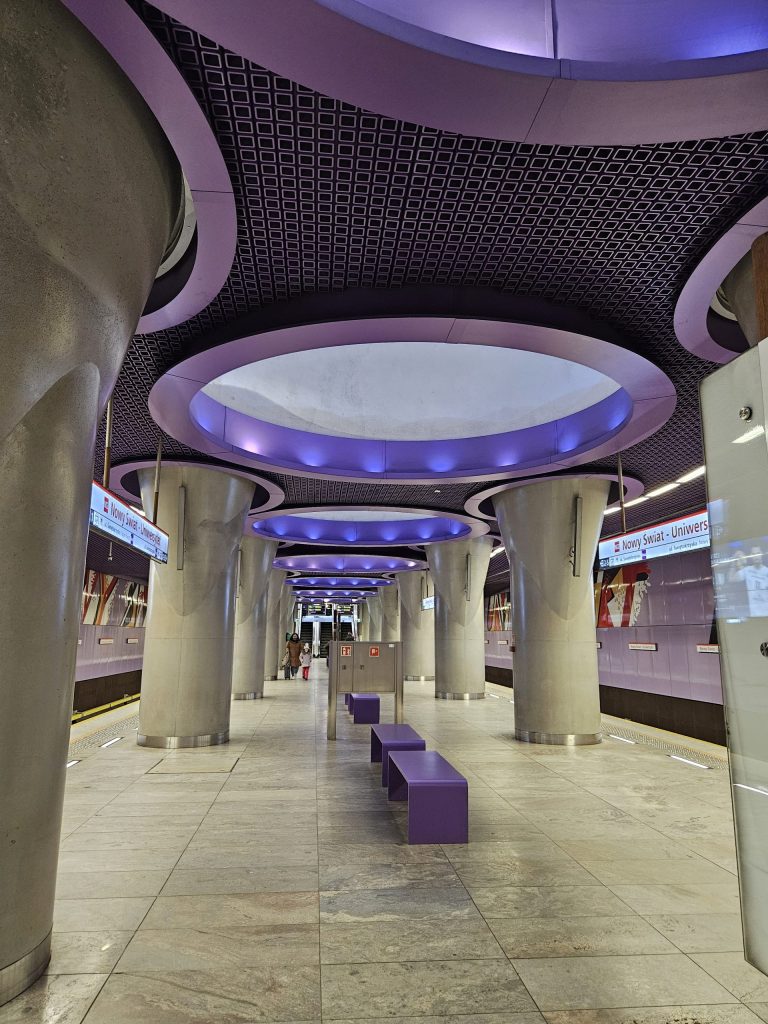
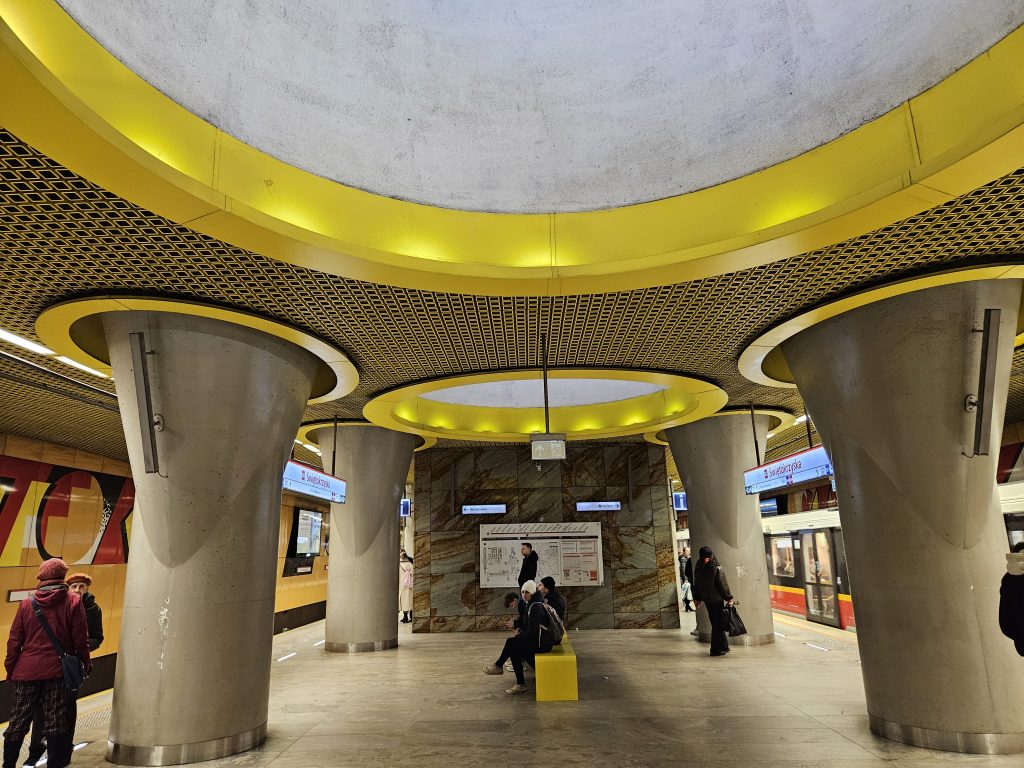
Regular readers of this site will know that we do like to travel by a variety of transport methods. Whilst in Warsaw do not forget to head underground and have a ride on the Metro.

Categories
Activity Amsterdam City Cycling Europe Heritage Netherlands Uncategorized

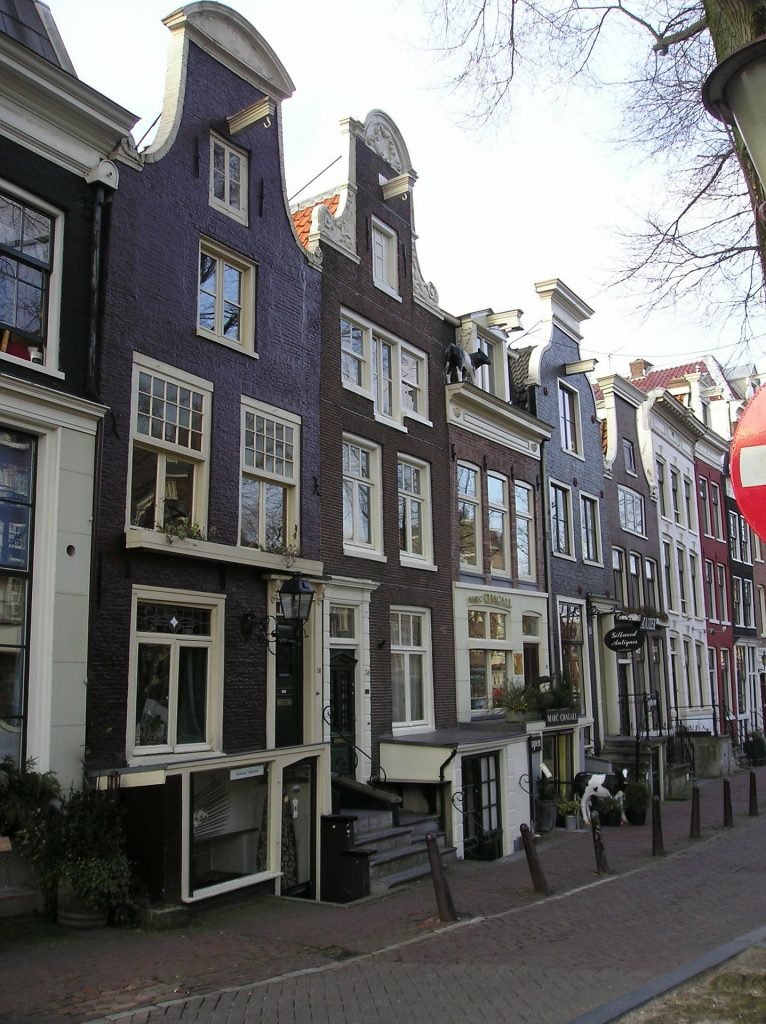
Amsterdam, Netherlands

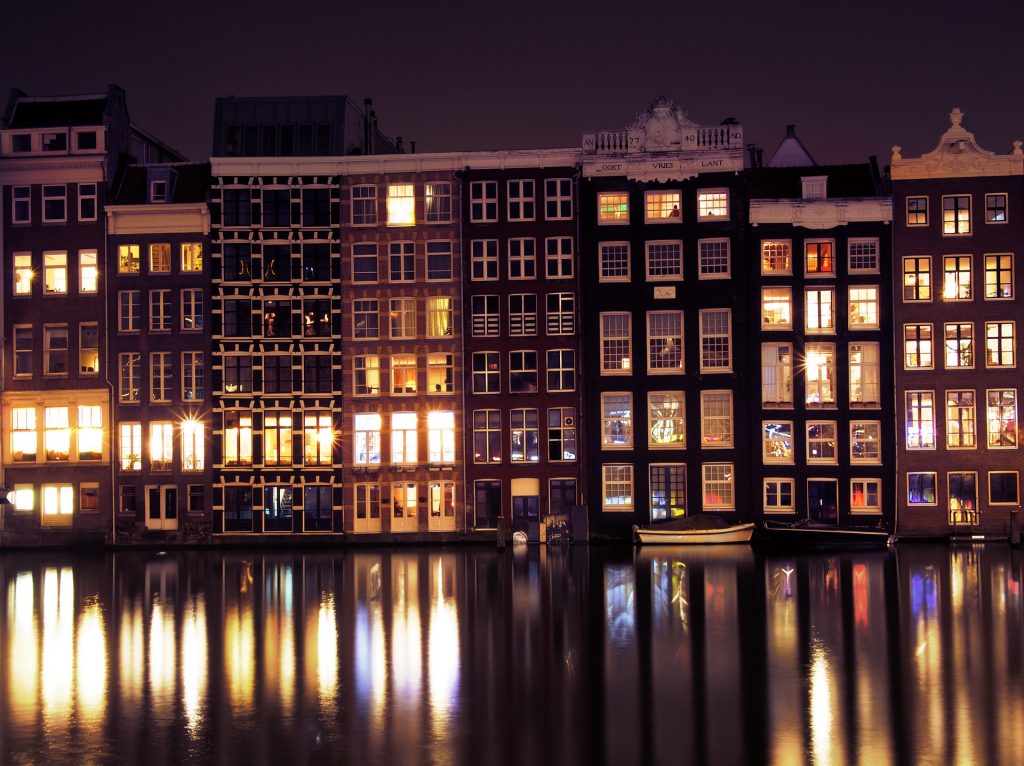
An organised canal boat cruise is actually a very good way to get your bearings in the city. A bit like a hop-on hop-off bus excursion that you will find in most European cities today. The fact you are lower down on the surface of the water will give you a different perspective. Life seems more sedate on the water. You might well enjoy yourself so much you will want to book a night cruise and see the city in a whole new light.

Amsterdam at Night – The Netherlands

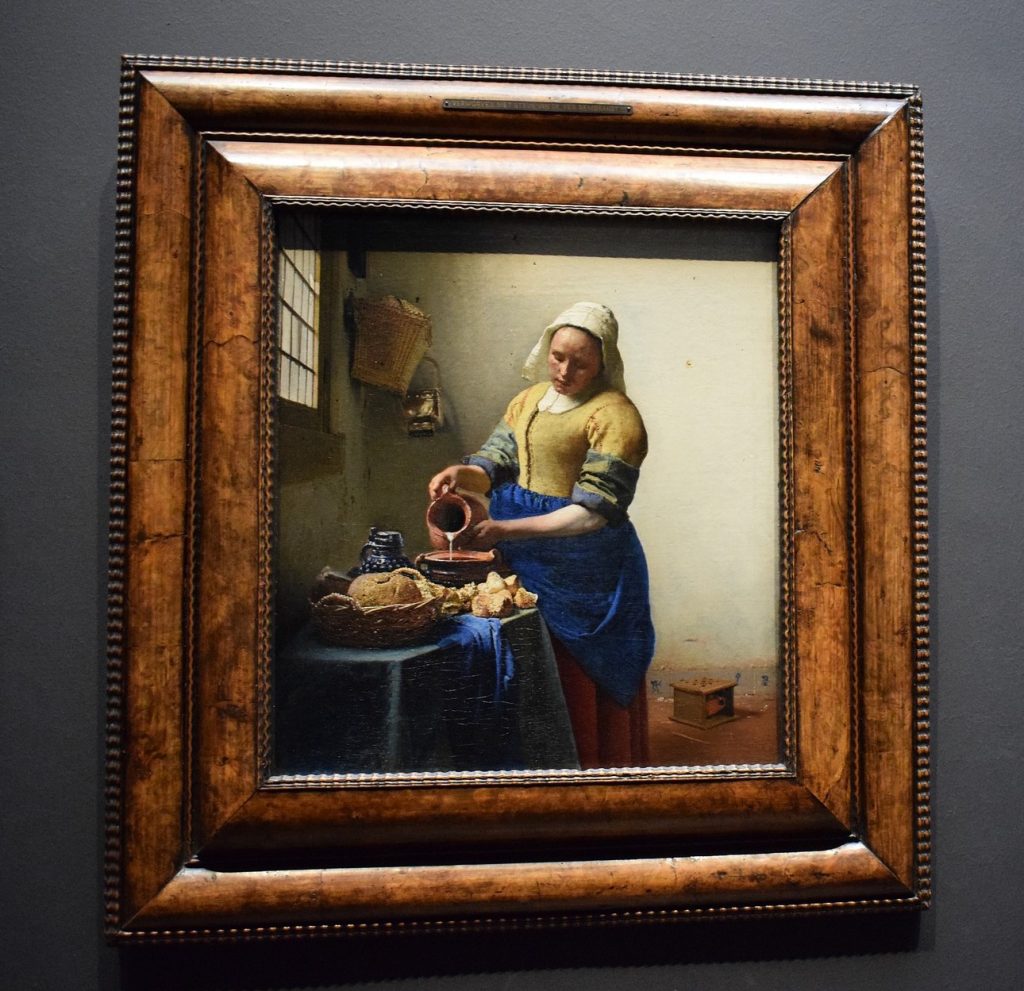
A visit to Amsterdam would not be complete without a visit to the Rijksmuseum. It is the principal national museum in the Netherlands. There are 8000 objects including paintings and books, in 80 rooms that illustrate the art and history of the country over the past 800 years until the present day. On display are paintings by Rembrandt, Van Gogh, Fran Hals, Jan Steen and Johannes Vermeer whose “The Milkmaid” is shown below.

The Milkmaid – Johannes Vermeer – c. 1657–1661

The most famous picture on display is Rembrandt’s “Night Watch”, it its time it has been attacked with a shoemaker’s knife, a bread knife and sprayed with acid. One thing that will strike you is the sheer size of the painting. What you probably didn’t realise is that the painting was cut down in size when it was moved to the town hall. Operation Night Watch is a project by the museum to reconstruct the missing pieces based on a copy and you can now see these on your visit.

Night Watch Restoration

After a day of culture, then turn your attention to the Amsterdam’s markets. There are over thirty of them and some have been going for over 100 years. You will find everything and anything at these markets. According to Time Out if you are only going to visit one market then it should be the “Albert Cuyp Market” otherwise known as the “the Cuyp”. Since 1905, it’s a one-stop shop for fresh meat, fish, fruit and veg. Today you can buy clothes, jewellery and just about everything else.

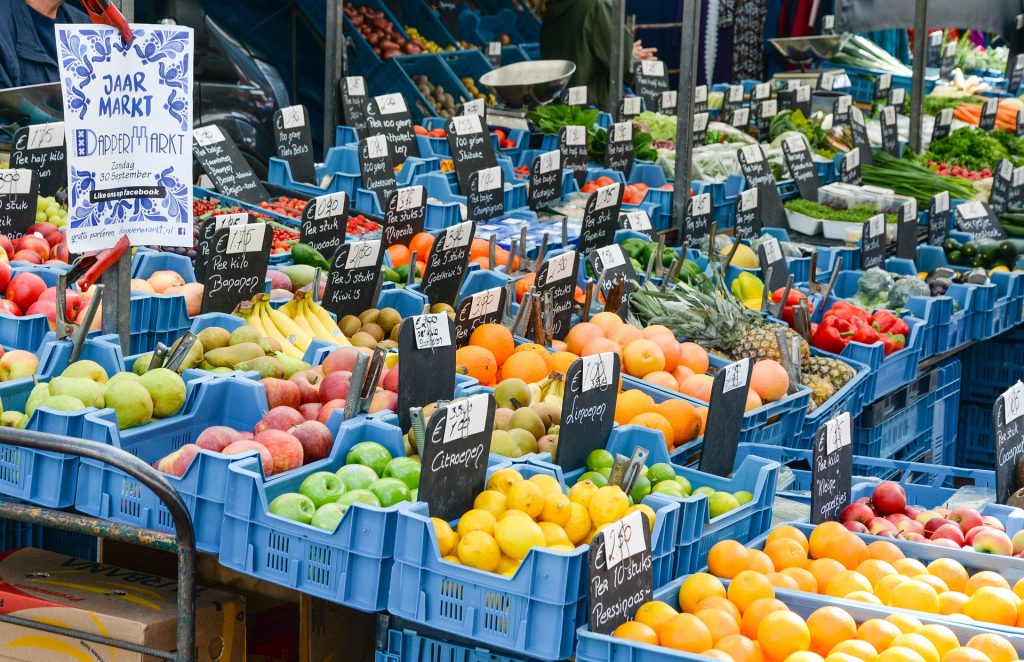
Dappermarkt – Amsterdam – The Netherlands

Another highly regarded market is the Dappermarkt. National Geographic Traveler judged it to be one of the Top 10 Shopping Streets in the world. Why don’t you visit it and judge for yourself. With 250 stalls you are bound to find something of interest.

One thing to do in advance when visiting Amsterdam is to make sure that you pre-book your tickets to the Anne Frank House which can be found at Prinsengracht 263. On 6 July 1942, the Frank family went into hiding in the building. The building consisted of two parts: the main house and the annex. The eight people hid on the top floors of the annex. Anne’s father Otto, who was the only member of the family to survive the Holocaust published her diaries in 1947 .In 1960, the Anne Frank House opened its doors as a museum, but at his the annex stayed empty.

Anne Frank’s House / Museum – Amsterdam – The Netherlands
Categories
Activity City Europe Iceland Rejkjavik Uncategorized

Iceland

Iceland is on the UK government’s green list and might seem like a strange destination for a summer break.  Many people view Iceland as a winter destination with the northern lights and various cold related activities to pursue. However, in the summer you will be able to benefit from the long almost endless days.  The average day starts at 3am and ends at midnight.  Plenty of time to get more done.

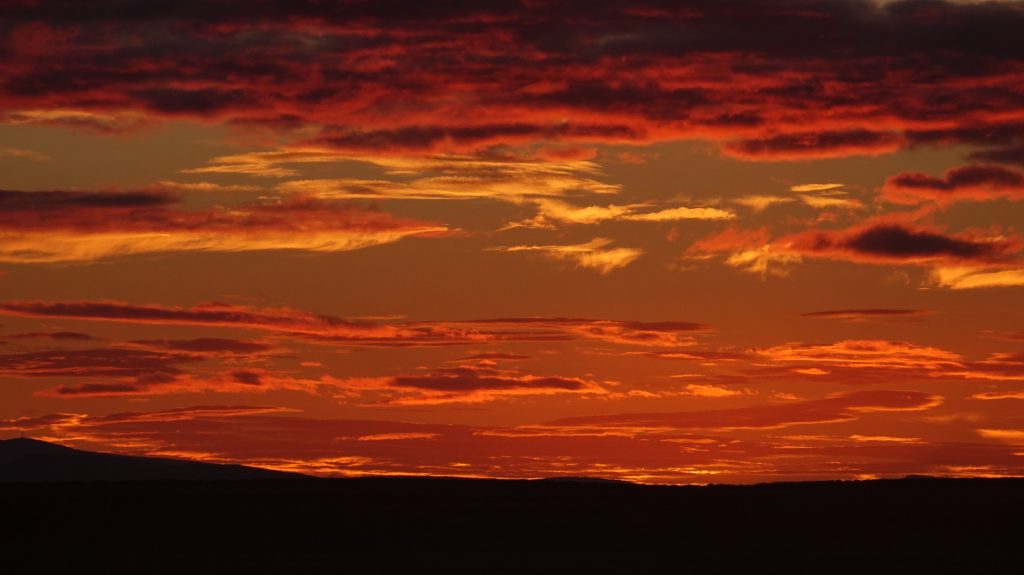
Sunset – Iceland

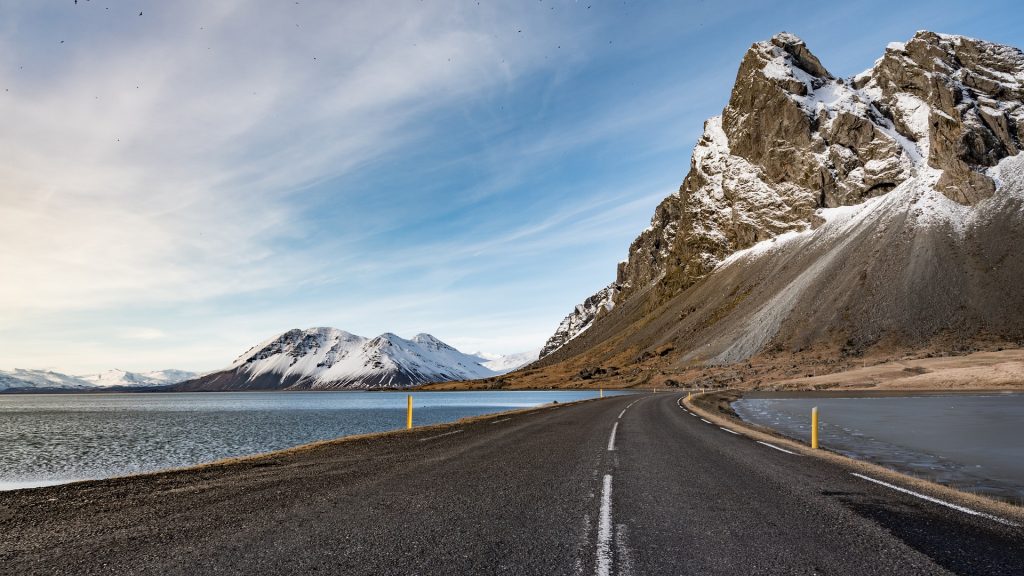
The summer will also give you better access to the Highlands which can be impossible to access in the winter due to the icy conditions.  You will be almost wandering into the unknown so double check the weather before you set off in your 4×4. Even if you are not heading for the Highlands, then why not hit the Ring Road, which Icelandic style will take you round the country rather than round a city.  The roads are well maintained and in the summer, they will be snow free!  Travelling the Ring Road will give you access to parts of the country might not otherwise see.

Iceland by road.

Summer is a prime time for hiking and Iceland provides routes for both beginners and experienced hikers alike. Every region of the country has something different to offer, whether its waterfall, beaches or volcanoes that take your fancy.  For serious hikers look out for the Laugavegur trail from Landmannalaugar to Þórsmörk, the Fimmvörðuháls hike between Skógar and Þórsmörk and Hornstrandir in the Westfjords.

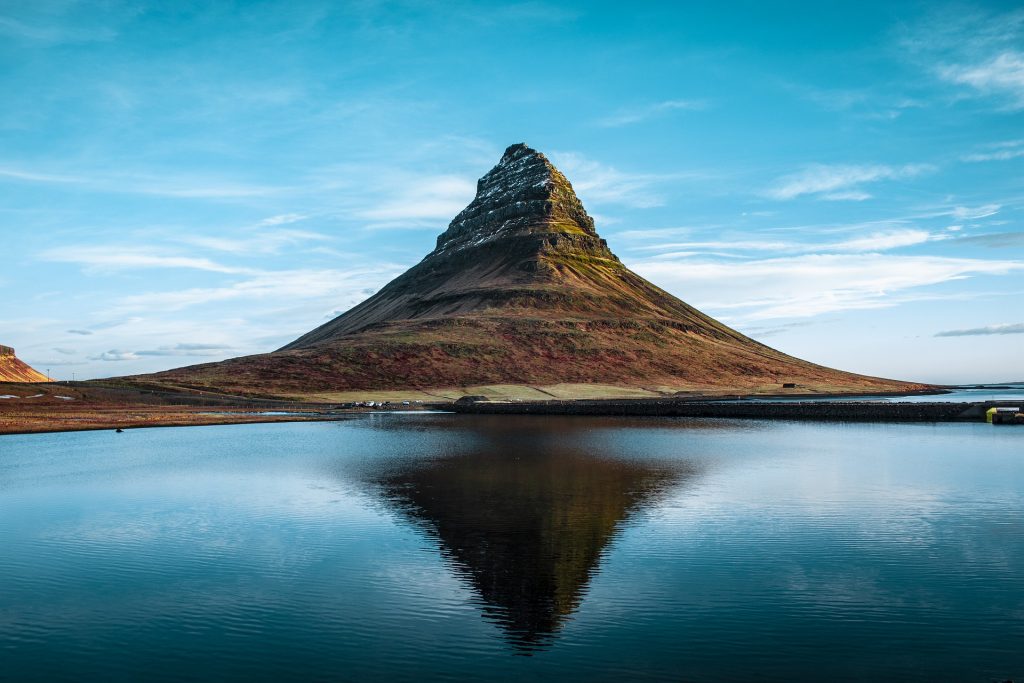
Vesturland – Iceland

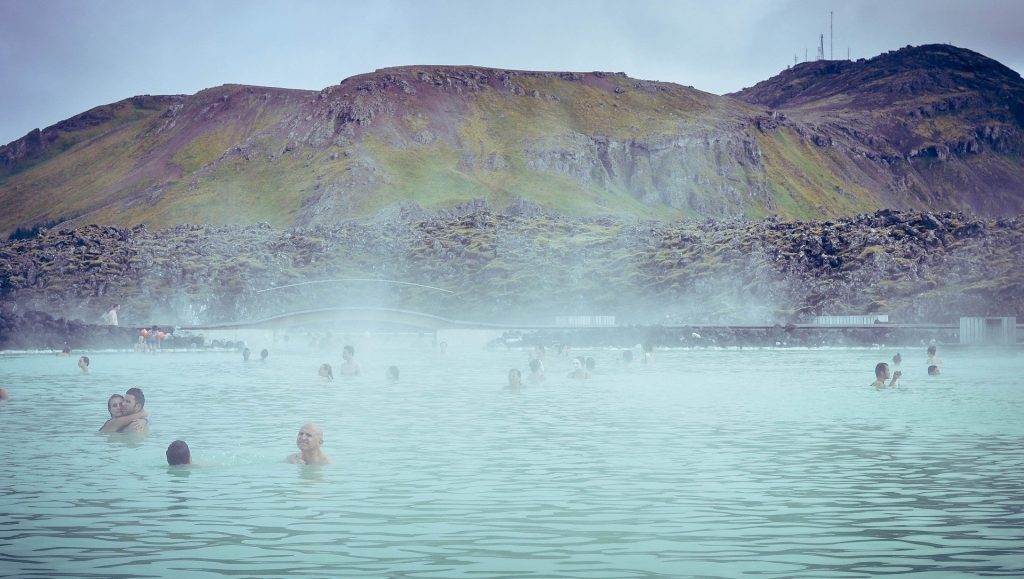
If you are not that brave you will find a number of escorted tours that will take you to see the best of the Iceland and this can be just what is needed to give you the confidence to head out on your own. Iceland is sometimes known as the land of Fire and Ice. You can take an escorted trip out to one of the glaciers where you can glacier hike, snow mobile or ice climb is you have the nerve and energy.  On the fire side, after a hard day exploring why not visit one or more geothermal baths and natural hot springs. The Blue Lagoon is one of the most popular but there are so many other interesting pools to discover.

Blue Lagoon – Iceland
Categories
Activity Bulgaria Europe Sofia

Sofia, Bulgaria

Sofia was founded over 3000 years ago and was at its pinnacle in terms of regional power in the 4th century. The Bulgars who give this region its current name did not arrive until the 9th century.  Unfortunately, much of the legacy of this period disappeared during the Turkish occupation, that lasted from 1396-1878.  However, it doesn’t detract from what the city has to offer today’s visitor.

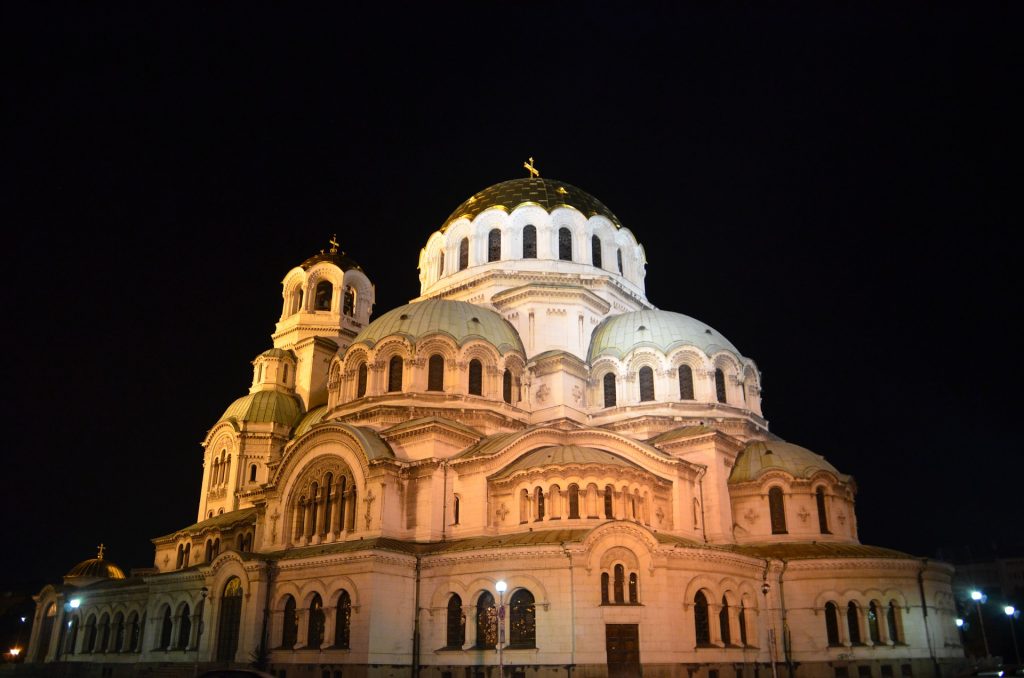
Alexander Nevsky Cathedral by Night – Sofia – Bulgaria.

The majority of Sofia’s tourist attractions are centrally located and you can easily walk between them.  In the city centre, you will find the Alexander Nevsky Cathedral.  This Eastern Orthodox church was built in honour of St Alexander Nevsky, a prince famed for 13th century military victories over Germany and Sweden.

One church that does survive from before the Turkish Occupation is the thirteenth-century Boyana Church which is now on the UNESCO heritage list.  The church is actually a collection of three buildings, the first built in the 10th century. The frescoes in this second church, painted in 1259, make it one of the most important churches housing collections of medieval paintings. This site is one of the most complete and perfectly preserved monuments of east European medieval art.

Boyana Church – Sofia – Bulgaria

Mosques were an important feature of old Sofia, the Archeological Museum is housed in a 15th century mosque and you can unofficially visit the The Banya Bashi Mosque built in 1576 by Mimar Sinan, who also designed the great mosque at Edirne in Turkey. Behind the Mosque are Sofia’s mineral baths.  Sadly it no longer operates as public baths, but the Sofia Regional Historical Museum is housed in part of the building.  It is still possible to taste the hot, sulphurous water from public taps nearby.

Russian Church – Sofia – Bulgaria

Whilst in Sofia, you should not pass up the opportunity to visit the Russian Church or to give it, its full title, The Church of St Nicholas the Miracle-Maker. Built on the site of a mosque in the early twentieth century, the Russian Church is a stunning golden-domed building with an emerald spire and an exuberant mosaic-tiled exterior, which conceals a dark, candle-scented interior. Construction started of what was the church on the Russian Embassy in 1907 and completed in 1914. The Russian government takes on the responsibility for the upkeep of the church and its renovations. The church remained open even after the Russian revolution and all through the Communist era.

Categories
Activity Bucharest City Europe Heritage Romania

Bucharest, Romania

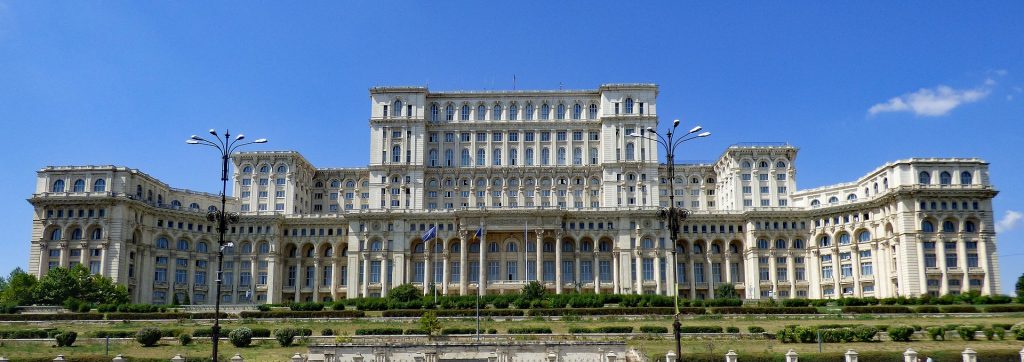
Bucharest is home to the world’s biggest parliamentary building.  Originally at The Palace of Parliament but more commonly known today as the People’s Palace construction started in 1984 and took thirteen years to build. An area of s (2.7 sq mi) of the old city centre was flattened to allow the construction including monasteries, factories and a hospital. One engineer set out to save as much as he could.

Moving Churches to Safety – Bucharest.

Today the People’s Palace, both houses of the Romanian Parliament., along with the National Museum of Contemporary Art, the Museum of Communist Totalitarianism and the Museum of the Palace.

The People’s Palace – Bucharest, Romania.

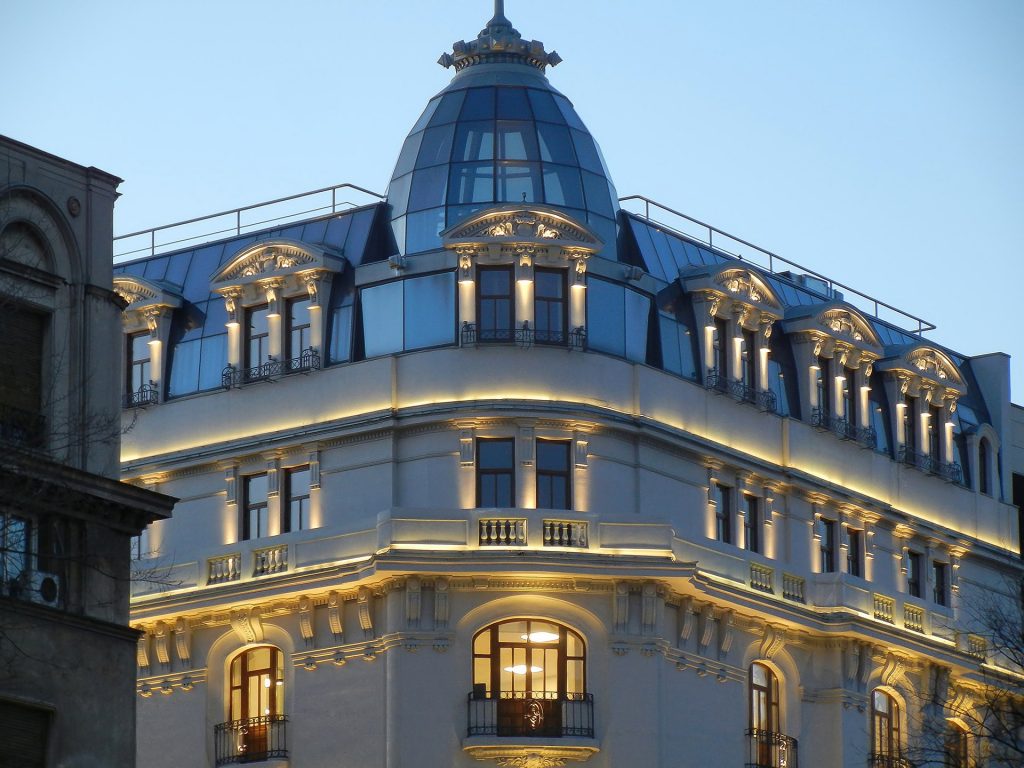
Prior to the Second World War Bucharest was known as the “Paris of the East”.  The war, the Communist era and an earthquake in 1977 robbed the city of many or the art nouveau buildings. Here and there are places where that former sophistication. The Cantacuzino Palace which now houses the George Enescu museum is one such example which was built between 1901 and 1903 by architect Ion D. Berindey. 

Paris of the East, Bucharest, Romania

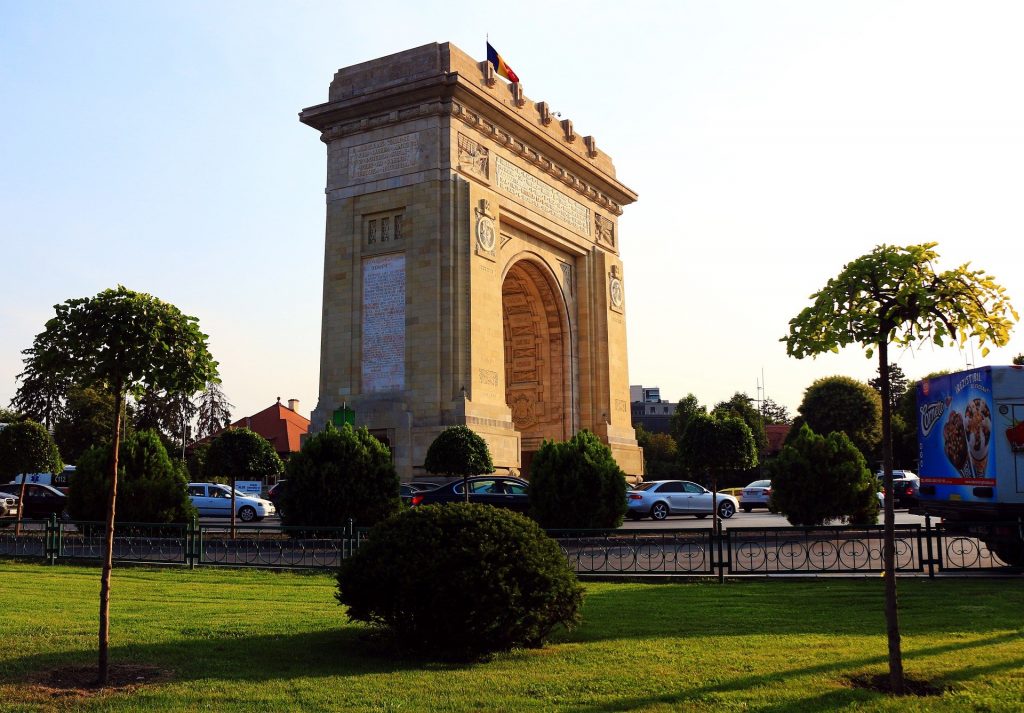
Berindey was responsible for a number of famous landmarks during this time including the Bucharest observatory that was built between 1908 and 1910. George Enescu incidently is regarded as one of the greatest musicians in Romanian history. You might even choose to stay in the elegant Athenee Palace Hilton hotel designed by the French Theophile Bradeau. Around and about you will find more examples that listed here.  Remember to look out for Bucharest’s copy of the Arc de Triomphe.

Arcul de Triumf, Bucharest, Romania.

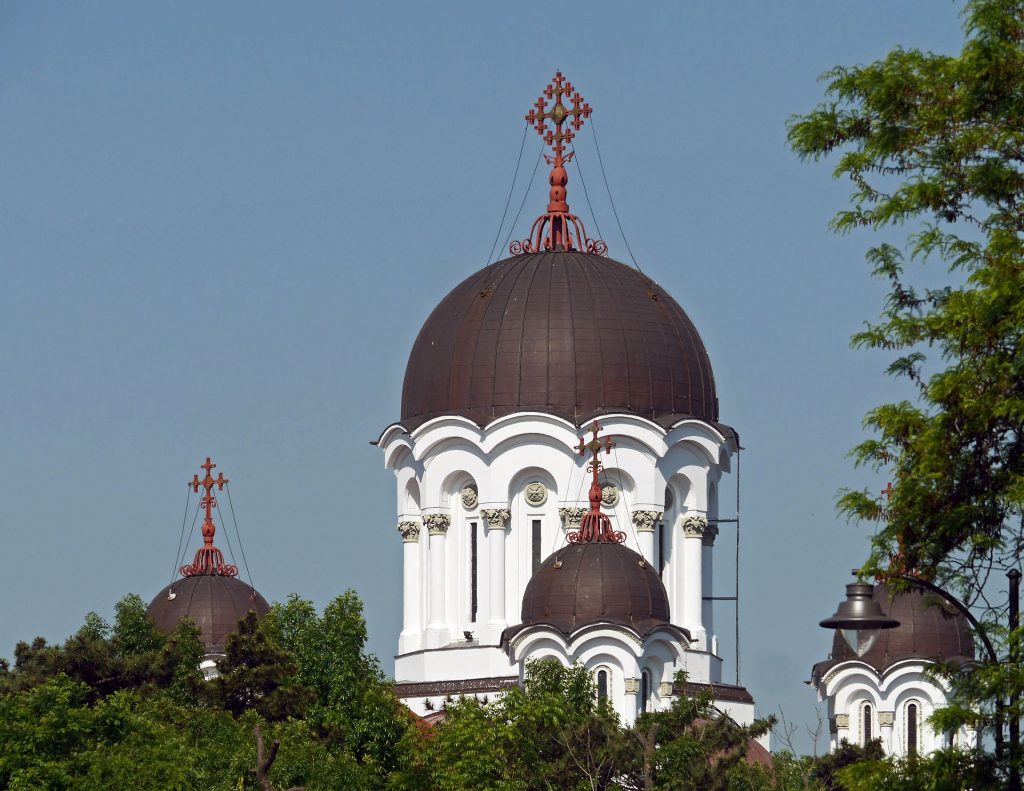
Personally, I would recommend seeking out the beautiful churches and chapels that fuse Byzantine, Greek, Ottoman and Renaissance styles.  On your list head for The Stavropoleous Church in the old city, St Apostle’s and the Doamnei Church.

Orthodox Church, Bucharest, Romania

If you are interested in looking back in time, you might be interested in watching the TV series “Comrade Detective” on Amazon Prime. Set in 1980s Bucharest it tells the story of two police detectives investigating the murder of a colleague. There is more to this story than meets the eye!

Categories
Activity Battlefield Europe Italy Monte Cassino Uncategorized

Monte Cassino, Italy

Over 1000 Poles lost their lives in the taking of the Monte Cassino Monastery during May 1944. The Polish words of a song that recount the events have translated into English below:

“The red poppies on Monte Cassino Drank Polish blood instead of dew… O’er the poppies the soldiers did go ‘Mid death, and to their anger stayed true! Years will come and ages will go, Enshrining their strivings and their toil!… And the poppies on Monte Cassino Will be redder for Poles’ blood in their soil.”

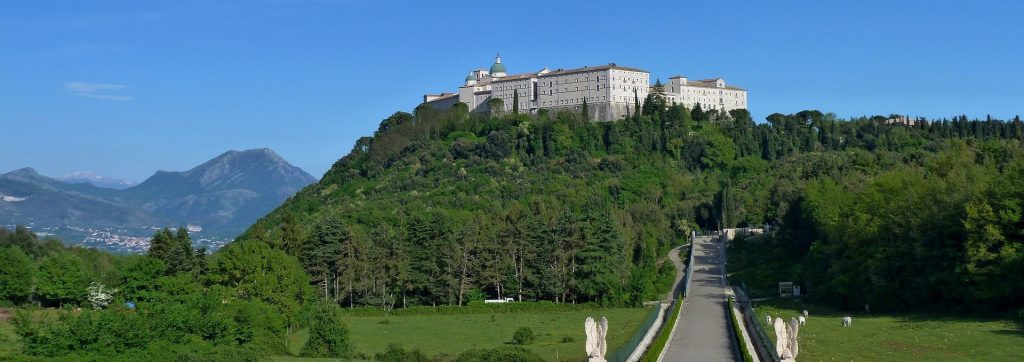
Monte Cassino, Italy

We visit Monte Cassino this time, as an increasing number of tourists each year will travel not just to Italy, but throughout Europe, the USA and South East Asia to walk in the footsteps of those servicemen and woman who bravely fought in years gone past.  Each has their own reason for doing this, some want to see where their relatives were posted, others out of historical interest or to give their visit to a country a purpose.

This story of the taking of Monte Cassino by the Allies is actually a very sad one.  The Germans said that Monastery was to be a neutral zone, but the allies didn’t believe them and thought it was a ruse.  It wasn’t and so it was bombed by the Allies killing innocent civilians and religious staff sheltering inside.  Once attacked by the Allies the Germans then decided make the most of the strategic position on the Monastery and the hill to fortify the ruins and they proved to be a worthy foe.

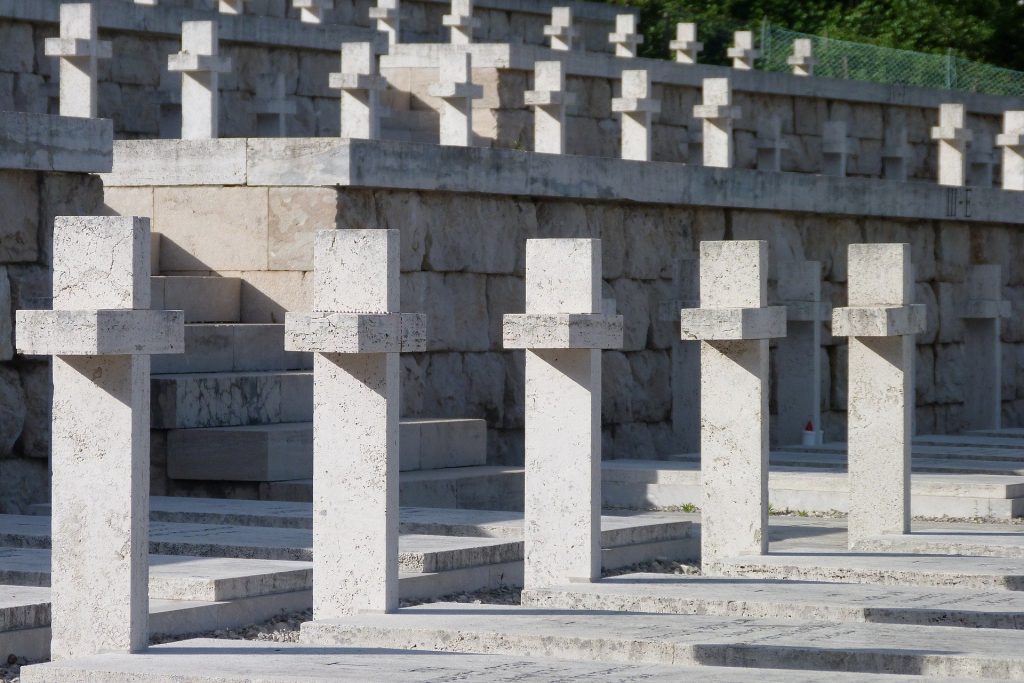
War Cemetary
War Memorial

There were over 55,0000 Allied casualties in the effort to take Monte Cassino, but its taking was part of the long and bitter struggle led to the taking of Rome, the first Axis capital to fall to the Allies and the turned the tide of the battle for control of Italy.

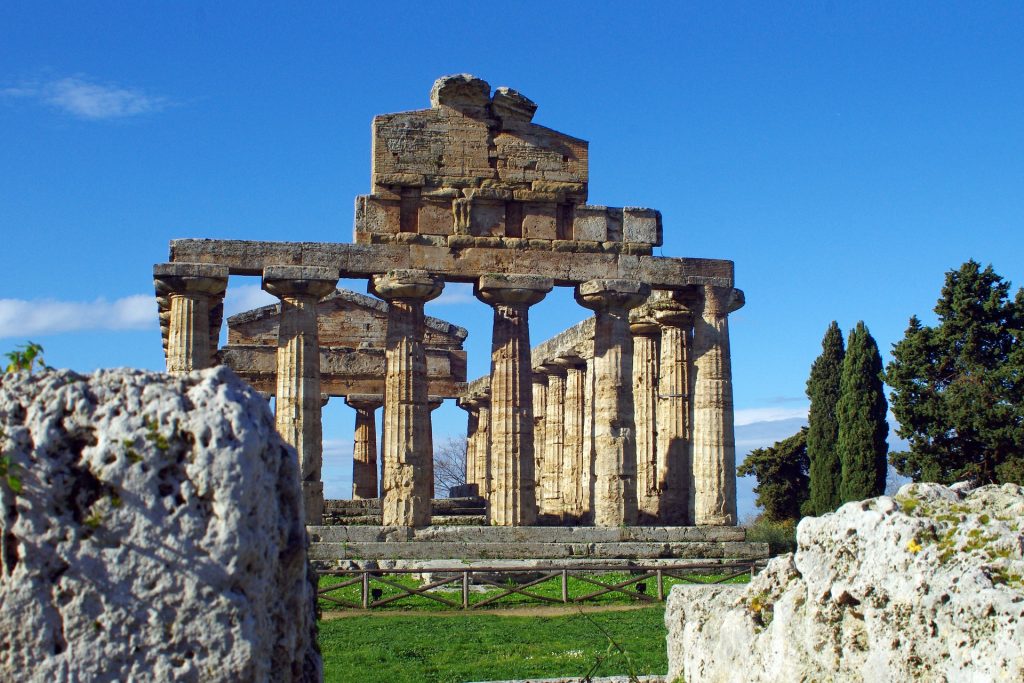
Paestrum, Salerno, Italy

Paestrum was a major Greek city on the southern Italian coast which is famous for its three temples that date back to around 550 to 450BC. The temples themselves are well preserved, as are the city walls and amphitheatre. There are many other wonderful sites that can be visited as part of your “Italian Campaign”.

Categories
Activity City Europe Heritage Italy Uncategorized Venice

Venice, Italy

Venice or Italy for that matter can be visited any time, not just the summertime. In fact you could say that the Spring or Autumn were preferable for city tourists as the day time temperatures are better suited for wandering around.

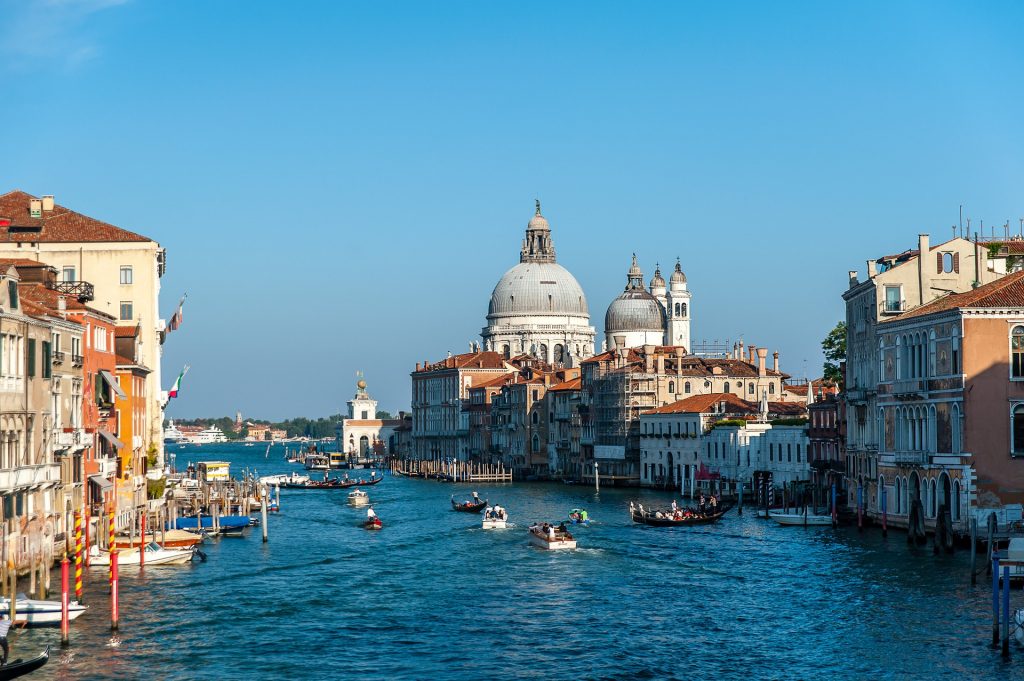
Canal Grande, Venice, Italy

If you are looking for a single city destination then why not head for Venice.  With tourist numbers down this year, a trip to Venice at this time just makes so much sense.  Imagine not having to queue for restaurants, museums and other attractions, taking leisurely walks around the main thoroughfares, plenty of space on the water taxis and being able to book a hotel at a reasonable price right in the middle of hundreds of years of history.

For those of you who have been to Venice before, you will not need convincing to return.  For first timers then this is what you have missed so far.  Venice comprises of over 100 islands, separated by canals but connected by over 400 bridges.  As capital of the Republic of Venice from 697 until 1797 Venice became the financial centre of the world and was at the cross roads of international trade between east and west.  This gave the city to wealth to build a city that rises out of the lagoon, with its domes and spires.

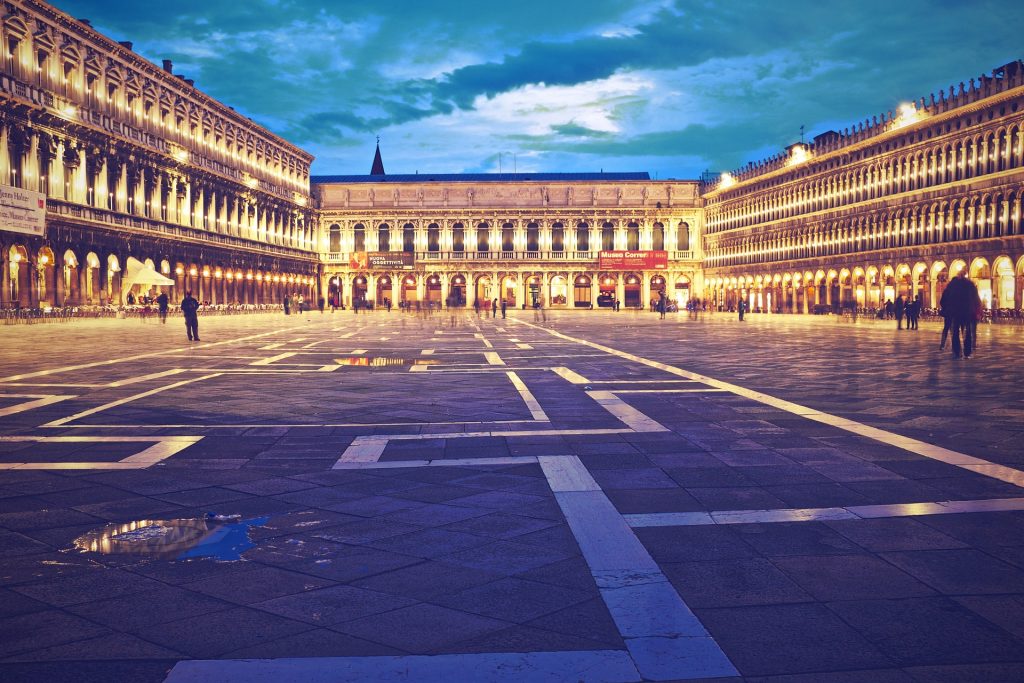
Piazza San Marco, Venice, Italy
Piazza San Marco – Venice, Italy

Try to get to the Piazza San Marco at least once during your visit.  It is the most famous square of Venice and probably the most photographer destination within the city.  It is here that you will find the Basilica San Marco. Entrance is free to this stunningly beautiful church.  Visit early in the morning or late afternoon to make the most or your time in Venice.

And whilst you are in the Piazza San Marco make sure you visit the Palazzo Ducale (Doge’s Palace).  The palace is worth a visit in its own right because of the architecture, but today it also houses many important art works. It’s a good idea to book your museum tickets in advance, thereby making the most of your time in the fantastic city.

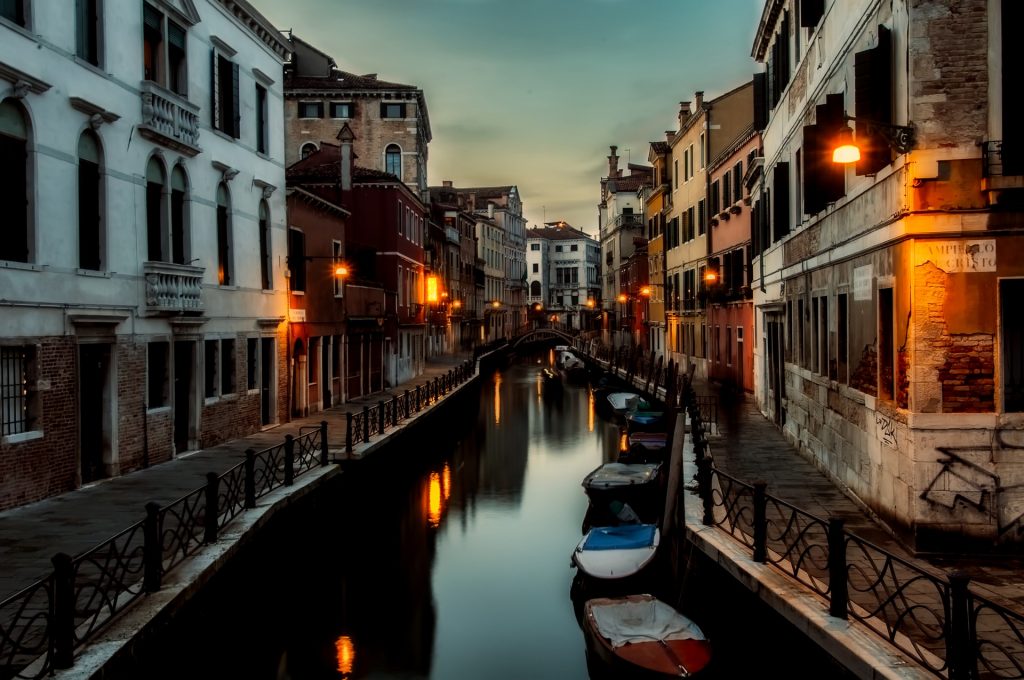
Venice at Night, Italy

One to save for the evening is a walk across the Ponte Rialto where you experience a stunning view of the bridge and the city lit up at night. Remember that gondola rides have fixed prices. Standard gondola rides in Venice have cost 80 euros for a private 25-30 minutes tour in the day and 120 euros at night. Gondolas normally take up to 6 passengers.